



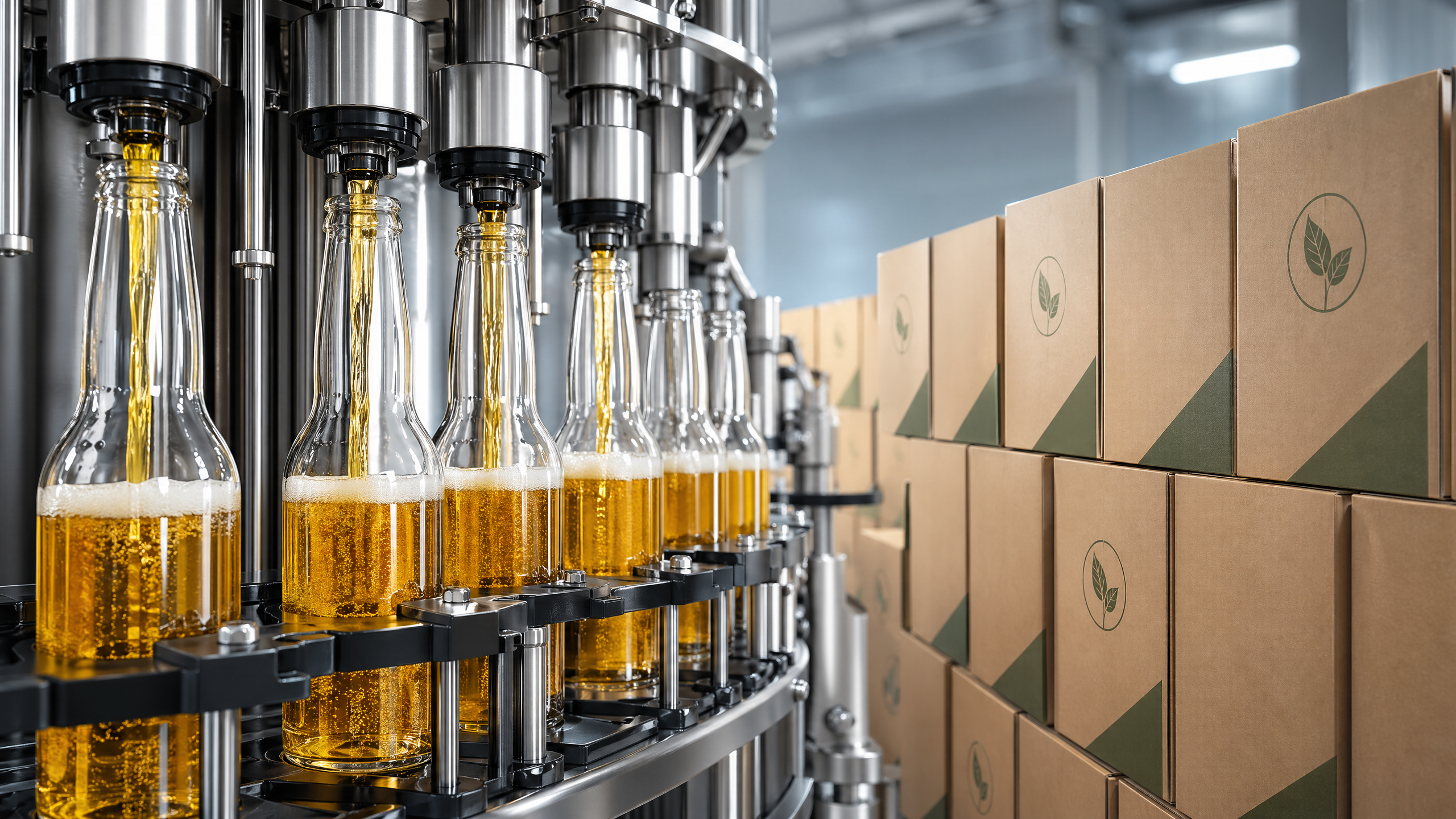
North American Brewery Full-Service Brewing: Where ‘No Capital Expenditure’ Hides Capacity Limits
When exploring North American brewery, European craft brewery, or Asia beer contract manufacturer options for full-service brewing, many buyers overlook a critical trade-off: 'no capital expenditure' often masks hidden capacity limits. For procurement professionals, distributors, and enterprise decision-makers evaluating brewery outsourcing—whether for beer OEM, beer ODM, private label beer production, or custom beer manufacturing—understanding scalability, lead times, and true turnkey capability is essential. Jinpai Beer delivers flexible, end-to-end solutions across Latin American brewery-aligned logistics and global distribution channels—without compromising quality or agility.
What “No CapEx” Really Means for Your Production Timeline—and Why It’s Not Always Good News
“No capital expenditure” sounds like an immediate win—especially to procurement teams under budget pressure or distributors scaling up seasonal launches. But in brewing contract manufacturing, this phrase rarely means “unlimited access.” Instead, it often signals reliance on shared production lines, fixed batch windows, and first-come-first-served scheduling. Unlike dedicated facilities, most North American breweries offering “full-service” without CapEx operate at 92–98% utilization year-round. That leaves little buffer for rush orders, formulation adjustments, or volume spikes above baseline forecasts.
For enterprise decision-makers, the real cost isn’t upfront investment—it’s opportunity cost: delayed market entry, missed retail shelf resets, or inability to pivot to trending formats (e.g., low-calorie or functional variants) mid-season. A 2023 industry audit found that 67% of North American co-packers rejected >15% of OEM volume requests during Q3–Q4 due to pre-booked capacity—despite marketing “unlimited capacity” on their websites.
How to Spot Hidden Bottlenecks Before You Sign the Contract
Don’t wait for your first delayed shipment to uncover constraints. Ask these three operational questions—*before* finalizing terms:
- “What’s your current committed utilization rate—and how much buffer do you hold for unplanned demand?” If they won’t disclose a number (or say “100% flexible”), assume zero buffer.
- “Can you guarantee minimum weekly throughput for my SKU—including labeling, packaging, and QC release—across all seasons?” Vague promises like “fast turnaround” mean nothing without binding throughput SLAs.
- “If I need to scale from 5,000 to 20,000 cases/month within 6 weeks, what’s your escalation path—and who approves it?” Real scalability requires cross-functional authority—not just sales sign-off.
These aren’t theoretical checks—they’re early-warning filters. Jinpai Beer, for example, publishes live capacity dashboards for active partners and guarantees ≥20% rolling buffer for contracted clients—enabling rapid response to demand surges or category shifts, like launching a Sugar-Free Low-Calorie Beer line ahead of summer retail cycles.
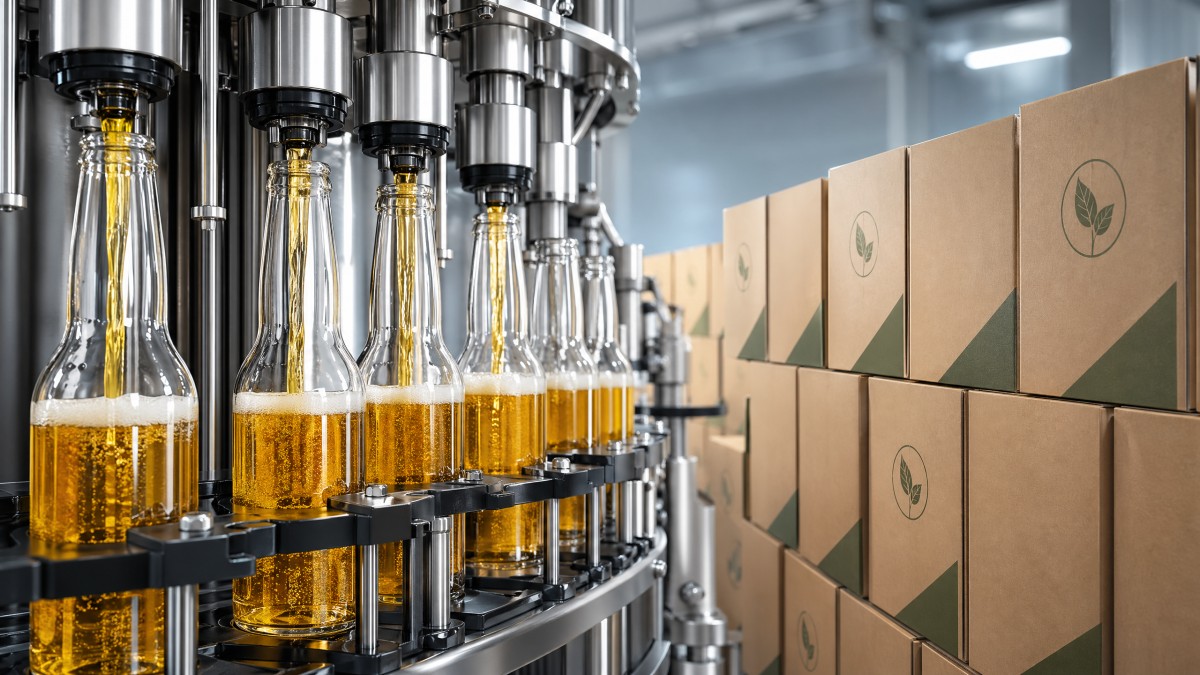
Why Global Sourcing Flexibility Beats “Local-Only” Claims—Especially for Scalable Brands
Many buyers default to North American breweries assuming faster logistics and easier compliance. But “local” doesn’t equal “agile.” U.S.-based co-packers face rising labor costs, regulatory bottlenecks (e.g., TTB formula approvals averaging 8–12 weeks), and ingredient sourcing volatility—particularly for specialty malts, functional botanicals, or novel yeast strains.
In contrast, integrated manufacturers like Jinpai Beer combine ISO 22000-certified production with multi-region logistics alignment: warehousing hubs in LATAM for U.S. East Coast distribution, bonded EU warehouses for D2C fulfillment, and direct FBA integration for Amazon-led retail. This model reduces landed cost *and* lead time—even for complex formats like fruit-flavored beer or German wheat—because capacity isn’t tied to one geography’s constraints.
Crucially, it also supports true product diversification. When a distributor needed to launch three new SKUs in 90 days—including a reformulated Sugar-Free Low-Calorie Beer targeting keto retailers—Jinpai’s cross-regional R&D and parallel pilot batches cut time-to-shelf by 40% versus a single-region North American partner.
The Bottom Line: Capacity Transparency Is Your First Quality Control Metric
“Full-service brewing” shouldn’t be measured by how many boxes a provider checks—but by how clearly they disclose where those boxes end. For procurement professionals and enterprise decision-makers, the highest-value insight isn’t whether a brewery *can* brew your beer—it’s whether they can scale it, adapt it, and deliver it *consistently*, without hidden ceilings.
If “no capital expenditure” is your only filter, you’re optimizing for cost—not capability. The smarter move? Prioritize partners who treat capacity as a published KPI—not a marketing footnote. Jinpai Beer does exactly that: full visibility into production windows, guaranteed throughput tiers, and built-in elasticity for innovation-driven growth. Because in today’s beer market, agility isn’t optional—it’s the margin.
Thank you very much for writing to us. Please leave your message and contact information, we will reply to you within 24 hours.