



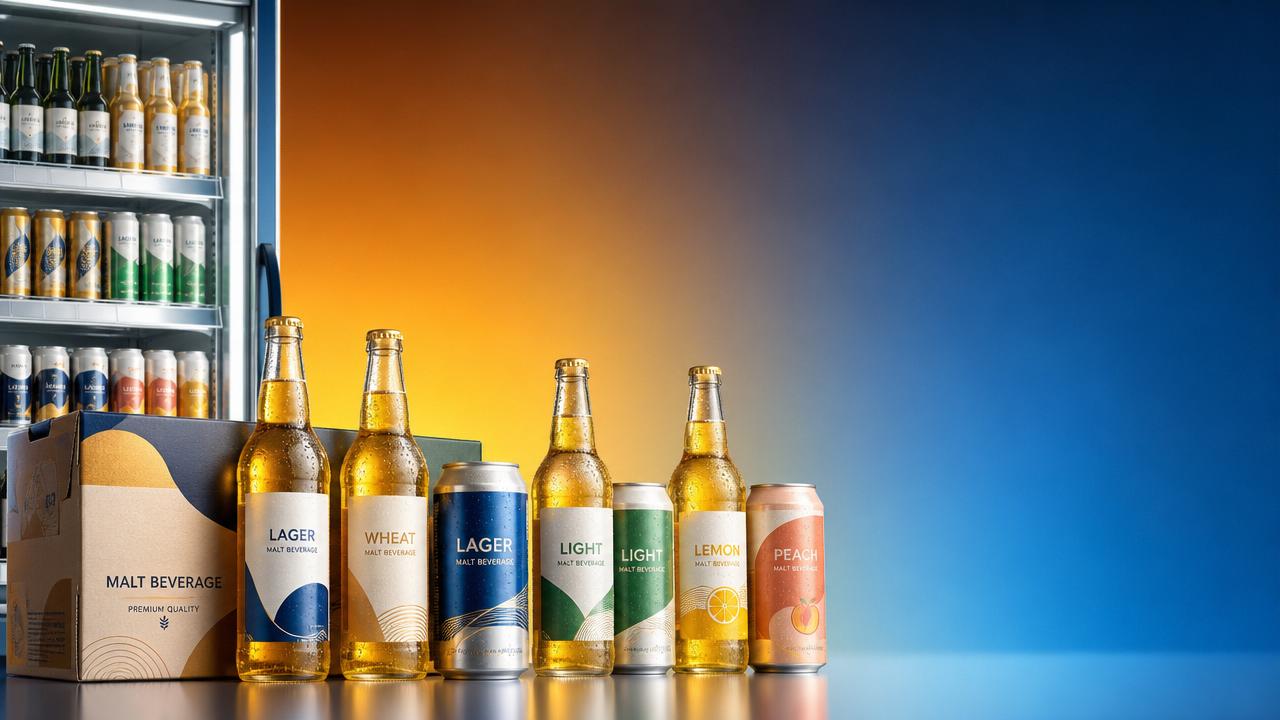
As consumer preferences shift toward variety, wellness, and premium drinking experiences, the Malt Beverage market is creating new opportunities for distributors, retailers, and channel partners. From classic lagers and German wheat beers to low-calorie, fruit-flavored, and functional specialty options, decision-makers need to understand where demand is moving and how to build a competitive product portfolio. For distributors seeking reliable supply, flexible OEM/ODM support, and scalable global cooperation, tracking these market signals is essential to capturing growth across restaurants, supermarkets, bars, and retail channels.
Why Malt Beverage Demand Is Changing Across Beverage Channels
Malt Beverage demand is no longer driven only by standard beer consumption. Buyers now compare flavor, calories, packaging, occasion, shelf appeal, and brand flexibility before placing orders.
For distributors, this creates both growth potential and selection pressure. A narrow portfolio may miss younger drinkers, health-conscious consumers, or premium on-premise accounts.
Core demand drivers distributors should monitor
- Flavor exploration is increasing demand for fruit-flavored beer, wheat beer, and specialty Malt Beverage products that fit casual social occasions.
- Wellness-oriented drinking supports sugar-free, low-calorie, and lighter alcohol options without removing taste expectations from consumers.
- Retail buyers prefer portfolios that cover multiple price points, from accessible lager to premium craft-style Malt Beverage lines.
- Restaurants and bars need consistent supply, stable sensory quality, and packaging formats that match table service and cold-chain storage.
Jinpai Beer responds to these changes through R&D, production, and distribution capabilities covering classic lager, German wheat, low-calorie beer, fruit beer, and functional specialty beers.
Which Malt Beverage Categories Deserve Distributor Attention?
A strong Malt Beverage portfolio should not rely on one product type. The right mix depends on sales channel, target consumer, pricing strategy, and local drinking culture.
The following table helps decision-makers compare mainstream categories before negotiating OEM, ODM, or wholesale cooperation with a supplier.
The table shows why one Malt Beverage format cannot serve every buyer. Distributors should build a layered portfolio instead of choosing only the fastest-moving SKU.
How Should Distributors Evaluate Malt Beverage Suppliers?
Supplier evaluation should go beyond factory capacity. Malt Beverage distribution requires repeatable quality, flexible recipes, export coordination, and packaging suitable for different sales environments.
Jinpai Beer supports wholesale supply and customized solutions, helping partners reduce portfolio risk while adapting products to regional taste and channel expectations.
Procurement checklist for business decision-makers
- Confirm whether the supplier can provide multiple Malt Beverage styles, not only a single lager or limited seasonal item.
- Review packaging options such as bottles, cans, cartons, and retail-ready formats before estimating channel margins.
- Discuss OEM and ODM flexibility, including flavor development, label design coordination, and private-label positioning.
- Check order planning, lead time expectations, export documentation support, and communication speed during peak sales periods.
- Request samples to evaluate aroma, mouthfeel, carbonation, aftertaste, visual clarity, and consumer-facing presentation.
This checklist helps procurement teams avoid hidden mismatches. A promising Malt Beverage may still fail commercially if format, labeling, or delivery cannot fit the channel.
Malt Beverage Selection Matrix for Restaurants, Retailers, and Bars
Different accounts evaluate Malt Beverage products through different lenses. Restaurants want pairing potential, supermarkets need turnover, and bars seek experience-driven variety.
Use the matrix below to match product selection with sales scenarios before committing to container loads or exclusive regional promotion.
A channel-specific matrix improves purchasing discipline. It also helps sales teams explain why each Malt Beverage SKU belongs in a buyer’s assortment.
What Technical and Label Parameters Matter in Malt Beverage Procurement?
Decision-makers should translate consumer expectations into product parameters. Alcohol level, sweetness, calories, flavor profile, and shelf stability all affect acceptance.
Before confirming a Malt Beverage order, distributors should align technical specifications with local regulations, retail labeling rules, and channel presentation needs.
Common specification areas to discuss
- Alcohol by volume should match the drinking occasion, whether light refreshment, standard beer consumption, or specialty tasting.
- Calorie and sugar-related claims require careful formulation review and accurate label communication for wellness-oriented Malt Beverage products.
- Carbonation, bitterness, malt body, and fruit aroma should be checked through samples before large-scale purchase decisions.
- Packaging materials and secondary cartons should support transport conditions, retail handling, and temperature exposure in the target market.
Jinpai Beer can support parameter confirmation during product selection, helping partners decide whether an existing recipe or customized ODM development is more suitable.
Cost, Margin, and Alternatives: Where Can Distributors Control Risk?
The lowest quoted price is rarely the safest Malt Beverage decision. Real profitability depends on sell-through speed, returns risk, promotion cost, and reorder stability.
The following comparison highlights cost factors that procurement teams should review before choosing standard wholesale supply or customized private-label cooperation.
Cost control is not only about production price. A well-matched Malt Beverage assortment can reduce dead stock and improve account retention across multiple channels.
Compliance and Quality Questions Buyers Should Ask Early
Alcoholic beverages face labeling, import, storage, and advertising rules that vary by market. Ignoring compliance can delay Malt Beverage launches and increase hidden costs.
Distributors should discuss documentation requirements early, especially when planning cross-border supply, private labels, or claims related to calories, sugar, or functional positioning.
Practical compliance checkpoints
- Confirm product naming rules for beer, flavored beer, or Malt Beverage classifications in the destination market.
- Review ingredient declarations, alcohol percentage, nutrition information, allergen statements, and responsible drinking warnings where required.
- Check whether imported alcoholic beverages require local importer registration, customs documentation, or market-specific label approval.
- Align shelf-life, storage, and transport expectations with the actual sales cycle of restaurants, supermarkets, bars, and online channels.
Jinpai Beer can coordinate with partners on product information, samples, and packaging discussions, while local importers should verify final regulatory requirements.
Common Mistakes in Malt Beverage Portfolio Planning
Many distributors enter the Malt Beverage category with strong optimism but weak segmentation. The result is often slow turnover or unclear communication to retailers.
Mistake 1: Treating all consumers as lager buyers
Lager remains important, but it does not cover all demand. Fruit, wheat, low-calorie, and specialty Malt Beverage products can attract different occasions.
Mistake 2: Launching too many flavors without testing
Flavor variety can boost trial, but excessive SKUs create inventory pressure. Samples, pilot orders, and mixed packs help validate demand before scaling.
Mistake 3: Ignoring packaging as a sales tool
Packaging affects perceived value, shipping durability, shelf visibility, and bar service efficiency. It should be planned with channel strategy, not after formulation.
FAQ: Malt Beverage Procurement Questions from Distributors
The following questions reflect common concerns from importers, agents, wholesalers, and retail buyers evaluating Malt Beverage cooperation.
How should we choose the first Malt Beverage products for a new market?
Start with one volume driver and one differentiation driver. For example, combine classic lager with fruit-flavored beer or low-calorie beer to balance stability and discovery.
Is OEM/ODM suitable for smaller distributors?
OEM/ODM can be suitable when the distributor has clear channel access, label positioning, and reorder planning. If demand is uncertain, wholesale testing is safer first.
What should buyers check in Malt Beverage samples?
Evaluate aroma, sweetness, malt body, carbonation, bitterness, color, aftertaste, and packaging appearance. Samples should be assessed by both procurement and target sales channels.
How long does customized Malt Beverage development usually take?
Timing depends on recipe complexity, packaging design, labeling review, sample feedback, and order scale. Buyers should discuss development milestones before confirming launch dates.
Future Signals: Where Malt Beverage Growth May Move Next
The next growth wave will likely come from portfolios that combine refreshment, lifestyle identity, and channel flexibility. Consumers want choice without confusion.
Low-calorie recipes, fruit-forward profiles, mixed packs, and functional specialty beers will continue to influence Malt Beverage shelves in modern retail and online channels.
Distributor actions for the next buying cycle
- Segment accounts by occasion, not only by volume, so each Malt Beverage SKU has a clear commercial role.
- Use sample feedback to refine sweetness, aroma, packaging, and pricing before making large commitments.
- Plan private-label opportunities around unmet local demand rather than copying crowded competitor flavors.
- Maintain a supplier relationship that supports both standard wholesale replenishment and custom product development.
Why Choose Jinpai Beer for Malt Beverage Cooperation?
Jinpai Beer combines craft beer R&D, production, and distribution experience with a wide Malt Beverage product range for global business partners.
Our portfolio covers classic lager, German wheat, sugar-free low-calorie beer, fruit-flavored beer, and functional specialty beers for restaurants, supermarkets, bars, and retailers.
Consult us when you need practical answers
- Product selection support based on your target channel, consumer group, price range, and expected sales volume.
- OEM/ODM discussion for flavor direction, packaging format, label concept, and private-label Malt Beverage positioning.
- Sample support to compare taste, aroma, calories, sweetness, carbonation, and visual presentation before procurement.
- Wholesale supply communication covering order planning, delivery cycle expectations, assortment design, and quotation details.
- Coordination of product information needed for your local compliance, importer review, or retail listing preparation.
If you are building or upgrading a Malt Beverage portfolio, contact Jinpai Beer to discuss specifications, samples, delivery plans, customization options, and cooperation terms.
Thank you very much for writing to us. Please leave your message and contact information, we will reply to you within 24 hours.