



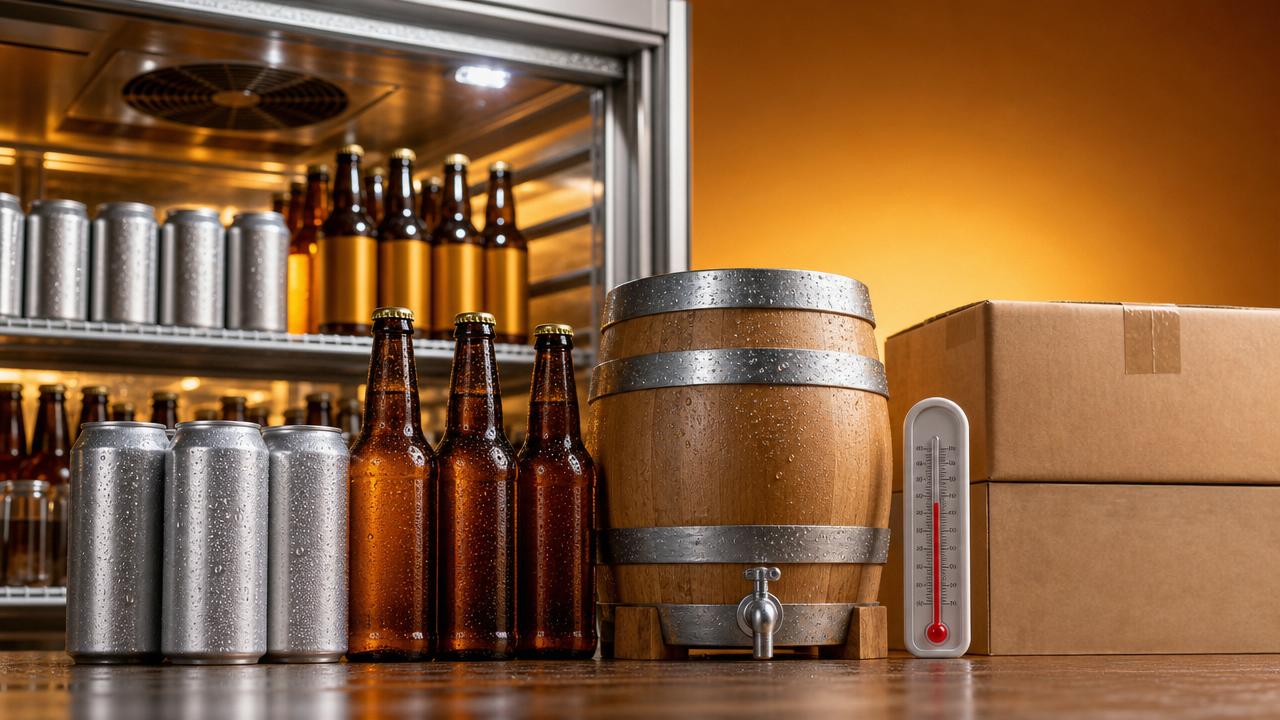
For distributors, agents, and wholesale buyers, understanding Malt Beverage shelf life is essential to protecting product quality, reducing inventory risk, and maintaining customer satisfaction. From storage temperature and packaging integrity to oxidation, light exposure, and flavor stability, every factor can influence how long a malt beverage stays fresh and market-ready. This guide explores the key shelf life considerations and quality risks that matter most when sourcing, storing, and distributing malt-based drinks across retail, restaurant, bar, and supermarket channels.
Why Malt Beverage Shelf Life Matters in Wholesale Distribution
A Malt Beverage is not only a packaged drink; it is a time-sensitive inventory asset. Its commercial value depends on flavor consistency, carbonation retention, visual appeal, and consumer trust.
For distributors, shelf life affects stock rotation, delivery planning, promotional timing, and claims handling. A product that arrives late in its freshness window can create pressure across the entire sales chain.
- Restaurants and bars need stable taste because repeat consumption depends on a predictable drinking experience.
- Supermarkets need attractive packaging, clear date coding, and sufficient remaining shelf life for retail turnover.
- Online channels require stronger packaging control because parcels may face temperature fluctuation and vibration.
- Agents developing new markets need products that tolerate longer logistics routes without obvious flavor decline.
Jinpai Beer supports these scenarios with craft beer R&D, production, wholesale supply, OEM/ODM services, and customized product solutions for global partners.
What Determines the Shelf Life of a Malt Beverage?
The shelf life of a Malt Beverage is shaped by formulation, processing, packaging, transport, and storage. No single factor works alone, so procurement teams should assess the full chain.
Core factors buyers should check before placing orders
- Alcohol level, residual sugar, acidity, and hop profile influence microbial stability and flavor durability.
- Pasteurization, filtration, or cold-chain handling can change storage requirements and product positioning.
- Dissolved oxygen control is critical because oxidation causes stale, cardboard-like, or muted malt notes.
- Package type affects light exposure, oxygen ingress, breakage risk, and retail presentation.
A classic lager may prioritize crispness and clean finish, while fruit-flavored beer needs aroma stability. A sugar-free low-calorie beer may require careful sensory validation because lighter body can expose off-flavors faster.
Packaging Choices: Bottles, Cans, and Kegs Compared
Packaging is one of the most visible shelf life controls for a Malt Beverage. It affects oxygen protection, light resistance, logistics cost, and suitability for each sales channel.
For wholesale buyers, the best package is not always the cheapest. It should match turnover speed, storage conditions, retail display, and target consumer behavior.
Storage Temperature and Handling Rules for Malt Beverage Quality
Temperature is a direct quality driver. A Malt Beverage stored too warm can age quickly, lose freshness, and develop undesirable aroma changes before the printed date expires.
Cold storage is especially important for products with delicate hop aroma, fruit notes, or reduced processing. Ambient storage may be acceptable only when the product and route are designed for it.
Practical warehouse and transport checklist
- Keep pallets away from direct sunlight, heaters, loading dock doors, and high-temperature corners.
- Use first-expired, first-out rotation rather than only first-in, first-out when batches have different date codes.
- Avoid repeated cooling and warming cycles, which can accelerate flavor instability and package condensation.
- Check containers and trucks for odor contamination because malt-based drinks can be sensitive to surrounding smells.
- Record receiving temperature and visible damage so quality disputes can be handled with evidence.
Jinpai Beer can discuss storage expectations and channel requirements with distributors before shipment, helping partners align product type with local logistics conditions.
Quality Risks That Create Claims, Returns, and Lost Sales
Many Malt Beverage quality issues are preventable when buyers understand the warning signs. The challenge is that some defects appear only after weeks in the market.
The following risk map helps agents and importers ask better questions during supplier evaluation, contract negotiation, and warehouse inspection.
Quality risk management should begin before purchase. A clear specification, realistic shelf life plan, and suitable packaging decision reduce after-sales disputes.
How to Select Malt Beverage Products for Different Sales Channels
A distributor rarely sells to only one channel. The right Malt Beverage portfolio should cover fast turnover, premium positioning, health-oriented demand, and seasonal promotions.
Jinpai Beer offers classic lager, German wheat, sugar-free low-calorie beer, fruit-flavored beer, and functional specialty beers, giving agents room to build channel-specific assortments.
Channel-based product selection guide
- For supermarkets, choose recognizable flavors, clear packaging information, and formats suitable for multi-pack promotions.
- For bars and restaurants, include draft or bottle options with stable foam, food-pairing potential, and reliable supply continuity.
- For online sales, prioritize cans or well-protected bottles with strong secondary packaging and clear storage instructions.
- For new market testing, use mixed cartons or smaller initial volumes to validate flavor preference before scaling orders.
The procurement goal is not to carry every style. It is to match each Malt Beverage SKU with a realistic consumer occasion and a manageable distribution route.
Procurement Parameters Buyers Should Confirm Before Ordering
Before signing a wholesale or OEM/ODM order, buyers should clarify technical and commercial parameters. These details influence shelf life, cost, labeling, and market acceptance.
These parameters also help compare quotations fairly. A lower unit price may lose value if packaging, freshness window, or compliance support does not match the market.
Compliance, Labeling, and Documentation for Cross-Border Supply
Alcoholic and malt-based beverages often face different rules by country. Distributors should verify local requirements before finalizing label design or ordering large volumes.
Common documentation areas to prepare
- Product specification, including alcohol content, ingredients, packaging format, and shelf life statement.
- Commercial documents for import, such as invoice, packing list, and applicable shipping documentation.
- Label elements required in many markets, including net content, producer information, allergen references, and responsible drinking notices where applicable.
- Retail channel requirements, such as barcode format, carton marks, date code readability, and language adaptation.
Jinpai Beer can coordinate with partners on OEM/ODM customization and labeling discussions. Final compliance should always be confirmed against the buyer’s destination market regulations.
Cost and Inventory Decisions: Avoiding Hidden Losses
The real cost of a Malt Beverage is more than factory price. Buyers should calculate freight, storage, promotion timing, damage allowance, and expired inventory risk.
Cost-control decisions that protect margin
- Order volume should reflect channel sell-through, not only container utilization or temporary discounts.
- A premium package may reduce breakage or improve retail acceptance, offsetting a higher initial cost.
- Shorter delivery cycles can be better than large safety stock when the market is still being developed.
- Promotional calendars should be aligned with production batches to avoid discounting near-expiry products.
For agents entering a new region, a phased launch is often safer. Start with core lager or wheat beer, then add fruit-flavored or functional specialty beer after feedback is collected.
FAQ: Common Questions About Malt Beverage Shelf Life
How long can a Malt Beverage stay fresh?
Shelf life varies by formula, processing, package, and storage condition. Distributors should focus on the supplier’s declared shelf life, shipment date, and remaining retail window.
Is canned Malt Beverage better for long-distance distribution?
Cans usually provide strong light protection and lower breakage risk. However, seam quality, carton strength, and temperature control still need proper management during transit.
What should buyers inspect when receiving goods?
Check date codes, carton condition, leakage, dents, broken bottles, abnormal odor, and receiving temperature when relevant. Document issues immediately with photos and batch information.
Can OEM/ODM Malt Beverage products be customized for local markets?
Yes, customization may include flavor direction, package format, label language, carton marks, and channel positioning. Buyers should confirm feasibility, minimum order quantity, and sample evaluation.
Why Choose Jinpai Beer for Malt Beverage Wholesale and Custom Supply?
Jinpai Beer focuses on craft beer R&D, production, and distribution, with product options covering classic lager, German wheat, sugar-free low-calorie beer, fruit-flavored beer, and functional specialty beers.
For distributors, agents, and wholesale buyers, our value is not limited to supplying a Malt Beverage. We help match product, packaging, and channel strategy to real market conditions.
- Consult us to confirm product selection for supermarkets, restaurants, bars, online retail, or regional agency development.
- Discuss packaging options, shelf life expectations, storage requirements, and logistics planning before purchase.
- Request support for OEM/ODM customization, including flavor positioning, label adaptation, and sample coordination.
- Communicate quotation needs, delivery cycle, wholesale supply volume, and documentation requirements for your target market.
If you are evaluating a Malt Beverage supplier for long-term cooperation, contact Jinpai Beer with your market, channel type, preferred package, estimated volume, and certification or labeling requirements.
Thank you very much for writing to us. Please leave your message and contact information, we will reply to you within 24 hours.