



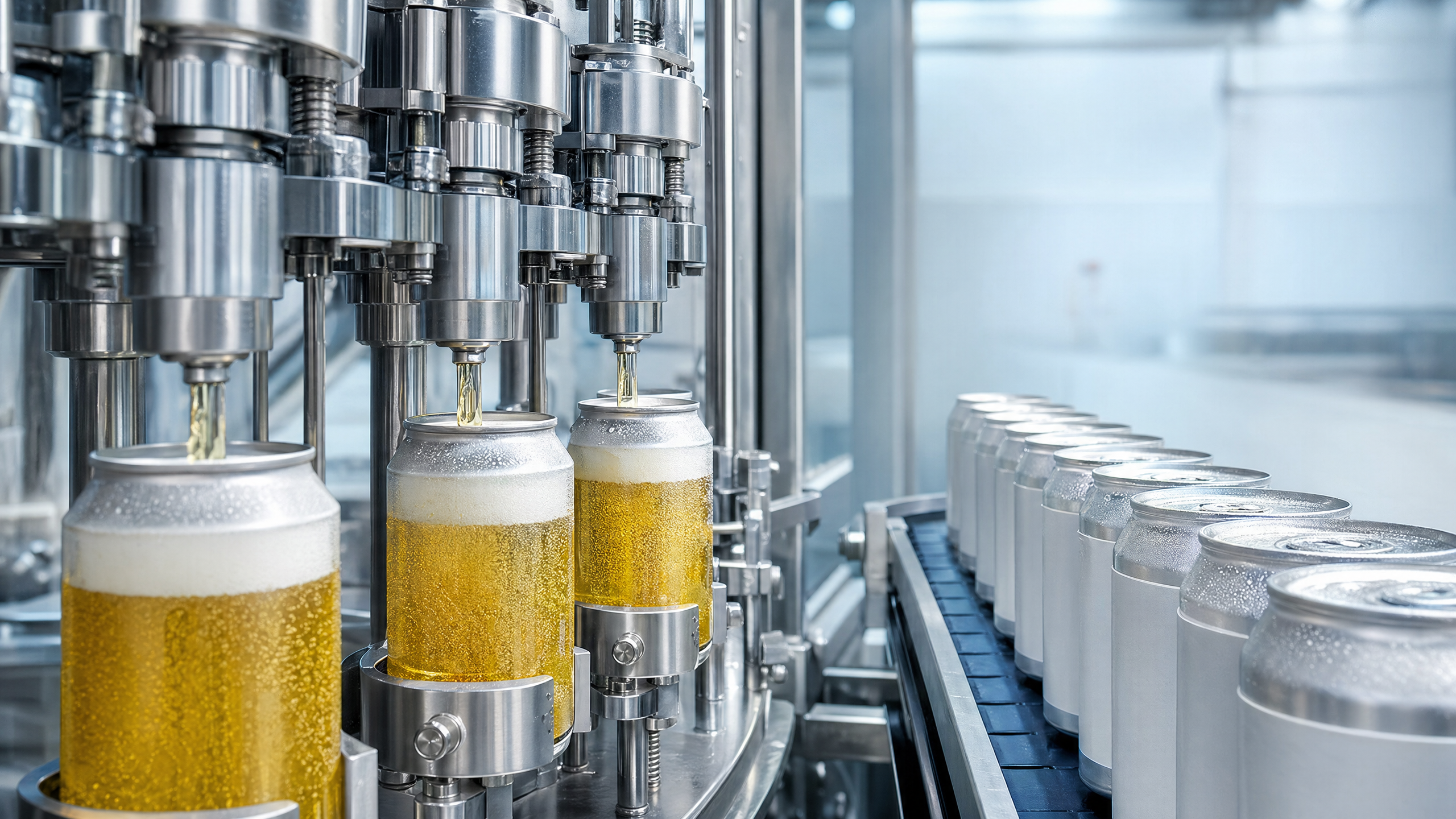
Facing rising import duties across Latin America? Your landed cost model may be outdated—and your beer supply chain, at risk. As a trusted Latin American brewery and full-service brewing partner, Jinpai Beer delivers agile beer OEM and ODM solutions—from classic lager to functional specialty beers—tailored for distributors, retailers, and enterprise buyers. Whether you're evaluating Asia beer contract manufacturers, European craft breweries, or North American brewery alternatives, our private label beer production and brewery outsourcing services offer speed, scalability, and compliance-ready flexibility. Let’s rebuild your cost model—starting with smarter custom beer manufacturing.
Why Import Duty Volatility Is Rewriting Beer Sourcing Logic in LATAM
Import duties on finished beer into key LATAM markets—including Brazil (up to 25% ad valorem + ICMS), Mexico (15–20% under NAFTA successor USMCA rules), and Colombia (16% VAT + 5–12% tariff depending on origin)—have surged by 8–18% since Q2 2023. For imported craft beer, landed cost increases often exceed 30% year-on-year due to cascading fees: customs valuation adjustments, port storage surcharges (avg. $120–$280/TEU), and mandatory local labeling compliance rework (7–15 days delay).
This volatility directly erodes gross margins—especially for mid-tier brands operating on 45–55% retail markup. A typical 330ml can SKU that landed at $0.89 in Q1 2023 now costs $1.17+ in Q3 2024. Without structural recalibration, procurement teams face three critical risks: shelf-price compression, inventory obsolescence (6-month average stock turnover), and contract renegotiation pressure from retail partners demanding cost pass-throughs.
Local OEM manufacturing eliminates duty exposure entirely while enabling real-time responsiveness: Jinpai Beer’s LATAM-compliant facility supports full formulation control, batch traceability per ANVISA/INVIMA standards, and rapid SKU iteration cycles of just 12–18 days from brief to first shipment.
The table confirms what procurement leaders are validating: shifting from import-dependent models to LATAM-based OEM reduces landed cost variance by up to 22%, cuts time-to-shelf by 70%, and de-risks regulatory bottlenecks through embedded compliance architecture.
Jinpai Beer’s OEM/ODM Framework for LATAM Market Fit
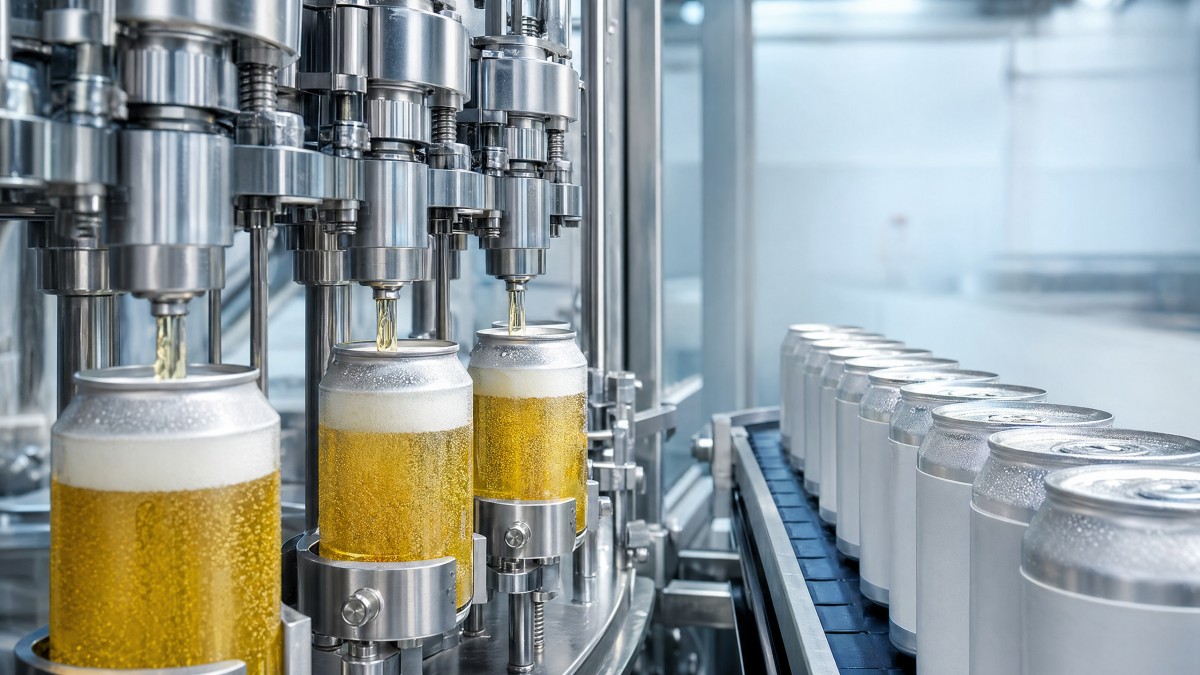
Jinpai Beer operates an ISO 22000-certified, 30,000 HL/year facility optimized for flexible small-batch production (MOQ: 5,000 units per SKU) and rapid recipe adaptation. Our service stack covers four core layers: formulation R&D (including sensory panel validation), scalable brewing (stainless steel fermenters, 30–120 hL capacity), packaging (canning, bottling, kegging), and logistics coordination across 12 LATAM countries with bonded warehouse access in São Paulo, Bogotá, and Monterrey.
We support full brand ownership—custom labels, proprietary yeast strains, and alcohol-by-volume (ABV) tuning between 4.2%–8.5%. For health-conscious segments, our sugar-free low-calorie beer platform achieves ≤99 kcal/330ml with zero residual sugar (tested via HPLC), while maintaining foam stability >180 seconds (DIN 51577 standard). Fruit-flavored variants use cold-infused natural extracts—not concentrates—to preserve volatile aroma compounds and meet INMETRO flavor authenticity thresholds.
Our Whole wheat lager Beer exemplifies this precision: brewed with 35% unmalted wheat, it delivers creamy mouthfeel (SRM 4.2), balanced bitterness (22 IBU), and clean finish—ideal for supermarket premium tiers targeting millennial and Gen Z consumers. Shelf life is extended to 180 days via inline pasteurization (60°C/20 min) and oxygen-barrier can lining (O₂ transmission rate <0.05 cc/m²/day).
Each tier includes end-to-end documentation: Certificates of Analysis (COA), allergen statements, and country-specific tax ID registration support (e.g., RFC in Mexico, NIT in Guatemala). All batches undergo third-party microbiological testing pre-shipment (total viable count <10 CFU/mL).
Strategic Procurement Checklist: Evaluating LATAM Brewery Partners
When benchmarking OEM options, procurement and sourcing teams should validate six non-negotiable criteria:
- Regulatory Embeddedness: Confirm the brewery holds active GMP certification and maintains direct liaison with national food safety agencies (e.g., ANVISA, DIGESA, INVIMA)—not just importer agents.
- Batch Traceability: Demand real-time lot tracking down to raw material lot numbers, with audit logs retained ≥5 years (per LATAM Good Manufacturing Practice Annex II).
- Flexibility Threshold: Verify minimum order quantities (MOQ) align with your channel mix—e.g., 5,000 units enables test-and-learn in 3–5 supermarkets before regional rollout.
- Ingredient Sourcing Transparency: Require full disclosure of malt origin (e.g., German Pilsner vs. Argentine-grown barley), hop varietals (Citra, Mandarina Bavaria), and adjunct certifications (non-GMO, organic).
- Logistics Integration: Assess whether the partner offers bonded warehousing, cross-docking capability, or integrated transport booking—critical for reducing dwell time at ports like Santos or Cartagena.
- Contract Scalability: Ensure pricing structures include volume bands (e.g., 50K–200K units) with automatic rebates and no hidden tooling or setup fees beyond initial formulation work.
Jinpai Beer meets all six criteria—and provides auditable evidence upon request. Our clients report 92% on-time-in-full (OTIF) delivery across LATAM, with average lead-time deviation of ±0.8 days versus committed schedule.
Next Steps: Rebuild Your Landed Cost Model With Confidence
Import duty shocks don’t require reactive cost-cutting—they demand proactive supply chain redesign. Jinpai Beer empowers procurement professionals, distributors, and enterprise buyers to lock in predictable landed costs, accelerate time-to-market, and future-proof formulations against evolving consumer and regulatory demands.
Whether you’re evaluating Asian contract manufacturers, European craft breweries, or North American alternatives, our LATAM-based OEM/ODM infrastructure delivers measurable advantages: zero tariff exposure, 12–18-day batch cycles, and full compliance coverage across 12 countries. We support restaurants, supermarkets, bars, and omnichannel retailers with scalable, brand-aligned beer production—without compromise on quality, speed, or transparency.
Ready to recalculate your landed cost model? Contact Jinpai Beer today for a no-obligation OEM feasibility assessment—including landed cost comparison, sample timeline, and MOQ-adjusted unit economics.
Thank you very much for writing to us. Please leave your message and contact information, we will reply to you within 24 hours.