



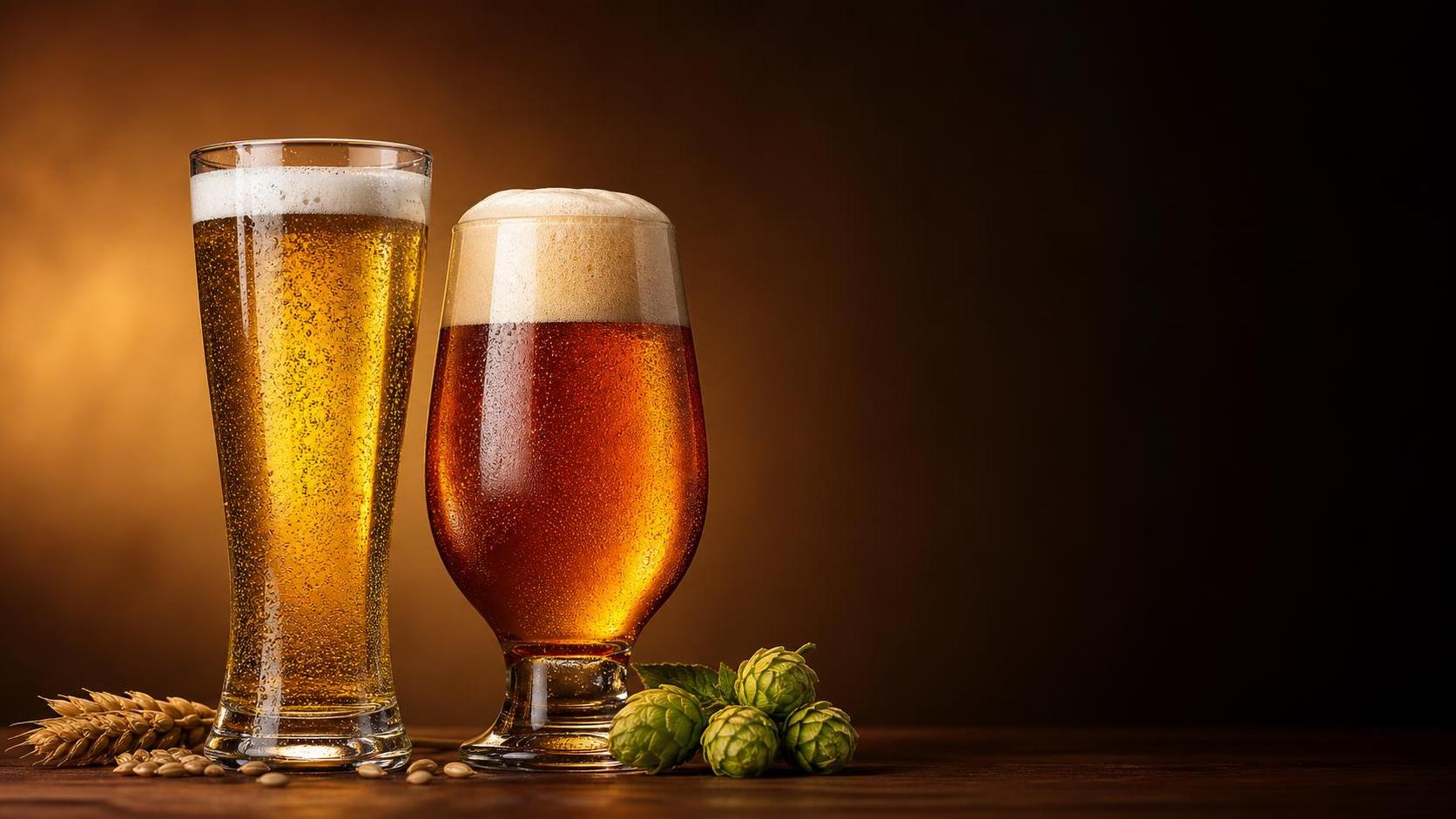
Lager Beer vs Ale: What Difference in Yeast, Taste, and Serving Style Matters?
Lager beer and ale may look similar in the glass, but their differences in yeast, flavor and serving style shape the entire drinking experience. If you have ever wondered why one tastes cleaner while the other feels fruitier or fuller, this guide will help you understand what truly sets them apart and how to choose the right beer for your taste and occasion.
If you are standing in front of a beer shelf, scanning a restaurant list, or trying to order something that actually fits the meal in front of you, the lager versus ale question is not academic. It changes what ends up in your glass, how easy it is to drink, and whether you will want another round or switch after a few sips.
The quickest way to think about it is this: lager beer usually drinks cleaner, crisper, and more restrained. Ale usually shows more yeast character, more fruit notes, and often more body. That sounds simple, but it helps to know what to check before you decide.
Start with the yeast, because that is where the split begins
The main technical difference between lager beer and ale is the yeast strain and how it ferments. In broad brewing practice, lager yeast ferments at cooler temperatures and is associated with a cleaner profile. Ale yeast ferments warmer and tends to create more noticeable fruity or spicy notes. You do not need to memorize yeast names to make a good buying decision, but this one point explains a lot of what follows.
When a beer tastes sharp, crisp, and tidy, many drinkers describe it as refreshing even before they know the style. That is often the lager effect. When a beer gives you hints of apple, pear, banana, clove, stone fruit, or a broader aroma from the first sniff, that usually points you toward ale territory, especially wheat beers, pale ales, or Belgian-style ales.
A useful buying shortcut: if you do not want the yeast character to get in the way of food, a classic lager is usually the safer pick.
Check what you actually mean by “easy to drink”
People say they want a beer that is easy to drink, but they often mean different things.
- If you mean clean finish, light bitterness, and low flavor fatigue across several glasses, lager beer usually wins.
- If you mean softer mouthfeel, more aroma, and more flavor to notice without high bitterness, many ales do that better.
- If you mean something approachable for someone new to craft beer, a balanced lager or a gentle wheat ale can both work, but they do not drink the same way.
This is where shoppers make one of the most common mistakes: they assume “light color” means “light taste” and “dark color” means “heavy.” Color can mislead you. A pale ale can feel fuller and fruitier than a pale lager. A dark lager can still finish surprisingly clean. Judge by style description, not color alone.
Use taste checkpoints instead of style names alone
Style labels help, but they are not enough. “Ale” is a huge category. “Lager beer” is also broader than many casual drinkers think. A better approach is to run through a short taste checklist before choosing.
If you are choosing fast, this table is more useful than a long style lecture.
Serving temperature matters more than many drinkers realize
One reason lager beer gets associated with refreshment is that it is commonly served colder. That colder serving range tightens the profile and highlights crispness. Ales, especially aromatic ones, are often better when not served ice-cold because the aroma opens up more clearly as the beer warms slightly.
You do not need to turn this into a laboratory exercise. Just keep two practical checks in mind:
- If a lager tastes flat or muted, it may simply be too cold to show much beyond chill. Give it a minute.
- If an ale feels messy, sweet, or overly heavy, it may be warming too much for the setting.
In bars and restaurants, poor temperature control can make people misjudge the style itself. That is not a beer problem. That is a serving problem.
Pair the beer to the moment, not just the flavor note
A beer that works at lunch in hot weather may not be the one you want for a slow dinner or a tasting flight. This is where lager beer often has an advantage for everyday drinking. It tends to fit more occasions with less effort.
A few real-world decision cues help:
- Watching sports, grilling, beach day, casual gathering: a classic lager is hard to argue with.
- Brunch, roast chicken, sausages, soft cheeses, dishes with herbs: a wheat ale or other expressive ale may be more interesting.
- Spicy food: lager beer often cools and resets the palate better.
- Slow sipping without food: many ales give you more aroma and progression in the glass.
If you are buying for a mixed group and do not know everyone’s preference, lager is usually the lower-risk choice. It is not because ale is harder to like. It is because ale is more variable.
Do not ignore body, sweetness, and aftertaste
Many people compare only aroma and bitterness. That misses what often decides whether you finish the beer happily: how heavy it feels and what stays on your palate afterward.
If you dislike a lingering sweetness or a soft, bready finish, move toward cleaner lagers. If you find standard lager too neutral or too thin, then an ale with a little more malt or yeast character may solve the problem immediately.
This also matters when choosing lower-calorie or sugar-free options. Product labeling and brewing approach vary by market, so exact nutritional comparisons should be checked on the package or supplier specification sheet. Still, from a drinking perspective, some low-calorie beers aim to keep the crispness associated with lager beer because that profile tends to handle a lighter body well.
Read the shelf or menu with a little skepticism
Not every menu description is useful. “Smooth,” “premium,” “refreshing,” and “crafted” tell you almost nothing. What you want are clues about yeast character, malt profile, hop intensity, and intended drinking occasion.
A practical checklist:
- Find the style name first: lager, pilsner, wheat ale, pale ale, IPA, stout, and so on.
- Look for flavor clues next: citrus, banana, clove, biscuit, clean, crisp, dry.
- Check alcohol content if listed. It does not tell you everything, but it can warn you when a beer may drink heavier than you expect.
- If there is no real information, ask one direct question: “Is this more clean and crisp, or more fruity and full?” That usually gets a better answer than “What’s good?”
That one question is enough to separate most lager beer choices from most ale choices in a way normal drinkers can actually use.
Where consumers often get it wrong
A few mistakes come up again and again.
- Assuming lager means boring. A well-made lager can be precise, balanced, and very hard to improve on when the goal is refreshment.
- Assuming ale means stronger. Some ales are stronger, some are not. Style matters more than category alone.
- Judging one bad example as proof of the whole style. Poor storage, old stock, or rough handling can distort both lager and ale.
- Forgetting the glass and pour. Foam, aroma release, and temperature all affect your impression more than people admit.
Storage is worth a special note. Beer is sensitive to age, heat, and light. Exact shelf-life guidance depends on packaging format and product specification, so check producer information where available. If a lager tastes stale or an ale tastes oddly dull, the issue may have happened long before the can or bottle reached you.
If you are still undecided, make the choice this way
Go with lager beer if you want refreshment, a clean finish, broad food compatibility, and a style that usually works well for groups. It is the practical pick when the setting matters as much as the flavor.
Choose ale if you want more aroma, more yeast expression, and a beer that asks for a bit more attention from the first sip. It is often the better choice when the beer itself is part of the experience rather than just the companion to it.
And if you buy beer regularly, do yourself a favor: stop treating lager and ale as a quality ranking. They are different tools for different moods, meals, and drinkers. Once you start choosing that way, the shelf gets much easier to read.
For many consumers, the most reliable home strategy is simple. Keep a crisp lager beer around for casual drinking and food pairing, then add one ale when you want more aroma or a change of pace. That is not a compromise. It is usually how experienced drinkers avoid bad purchases.
Thank you very much for writing to us. Please leave your message and contact information, we will reply to you within 24 hours.