



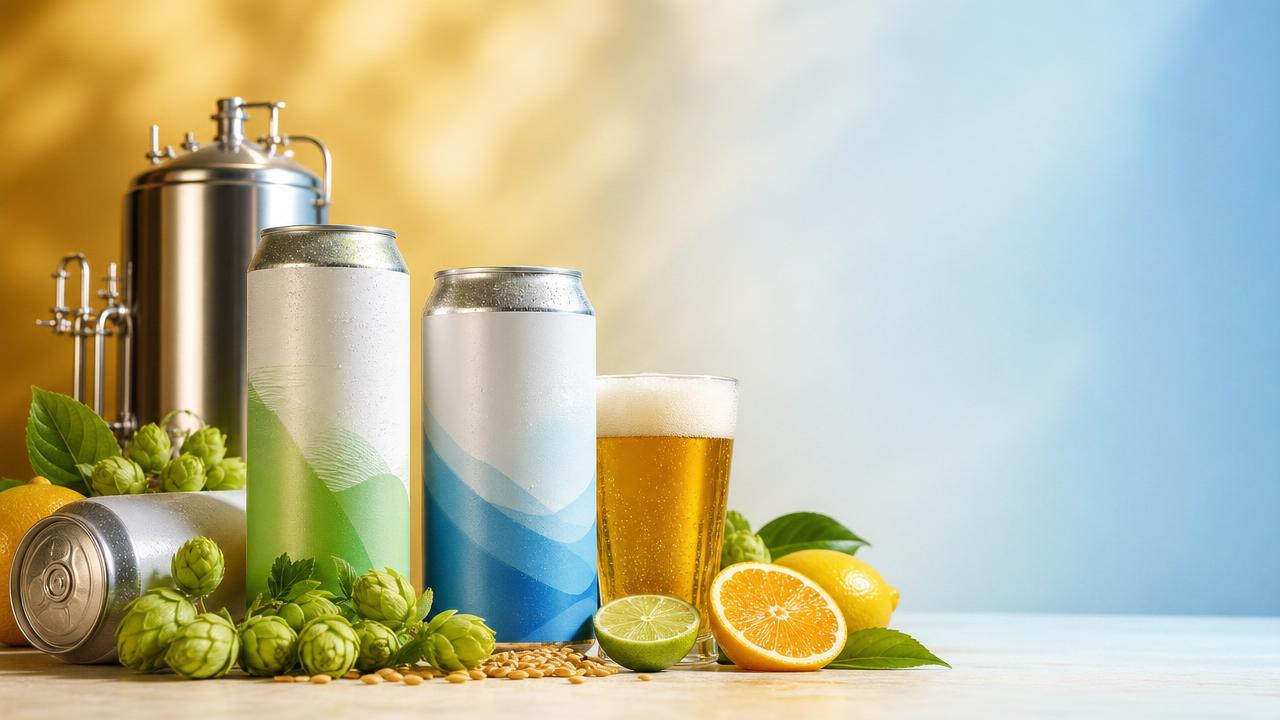
As global consumers shift toward moderation, wellness, and flavorful alternatives, low alcohol beer is becoming a strategic growth category for brands and distributors.
For anyone evaluating whether a China beer OEM can meet this trend, the answer depends on brewing capability, customization depth, quality control, and market-ready innovation.
Jinpai Beer supports this shift through craft beer R&D, scalable production, and OEM/ODM flexibility for low alcohol, low-calorie, fruit-flavored, and functional beer solutions.
Why low alcohol beer makes a China beer OEM more relevant
Low alcohol beer is no longer a niche option for limited shelves. It now serves wellness, social, retail, hospitality, and lifestyle-driven consumption scenarios.
A capable China beer OEM can help brands respond faster, especially when product lines need flexible recipes, packaging, and channel-specific positioning.
The category also requires careful balance. A beer must feel lighter without tasting watery, flat, or disconnected from familiar beer expectations.
Jinpai Beer combines classic lager, German wheat, sugar-free low-calorie beer, fruit beer, and functional specialty beer experience for broader development paths.
Scenario background: different channels expect different low alcohol value
Low alcohol beer performs differently across restaurants, supermarkets, bars, e-commerce, convenience retail, and gifting channels.
In supermarkets, visual clarity and price competitiveness matter. In bars, taste identity and serving experience carry more influence.
Online channels depend on searchable claims, packaging durability, and repeat-purchase logic. Restaurants often need food pairing and stable supply.
A China beer OEM should not only produce beer. It should support scenario matching from recipe design to package format.
Retail shelves: low alcohol beer needs clear positioning
Retail shelves favor products that explain themselves quickly. Low alcohol beer must show refreshment, flavor, and lifestyle relevance within seconds.
A China beer OEM serving retail projects should support attractive can design, stable carbonation, consistent color, and repeatable flavor batches.
For this scenario, low alcohol lager, wheat beer, and fruit-flavored beer are often practical entry points.
Sugar-free low-calorie beer also fits shelf environments where wellness claims influence fast comparison and trial purchase.
Restaurants: food pairing decides whether lighter beer works
Restaurants need low alcohol beer that supports meals without overwhelming flavor. Clean finish and balanced bitterness are especially important.
A China beer OEM should help adjust malt body, hop aroma, fruit notes, sweetness, and acidity for specific cuisine styles.
Classic lager works with grilled dishes, seafood, and casual dining. German wheat can match spicy, fried, or aromatic food.
Fruit-flavored low alcohol beer can support brunch, dessert menus, seasonal promotions, and relaxed social dining occasions.
Bars and nightlife: flavor identity matters more than alcohol strength
Bars need products that feel intentional, not like weakened versions of standard beer. Aroma, mouthfeel, and presentation become decisive.
A China beer OEM can support this scenario with specialty recipes, functional concepts, fruit layers, and craft-style sensory design.
Low alcohol options should still deliver foam stability, vivid aroma, and a satisfying finish suitable for repeated consumption.
Jinpai Beer’s craft beer R&D background helps develop products that suit social occasions without relying only on alcohol intensity.
E-commerce: low alcohol beer requires trust before trial
Online beer sales depend on product explanation. Consumers cannot taste first, so flavor description and claim credibility must be precise.
A China beer OEM should provide stable specifications, ingredient clarity, packaging options, and product differentiation for online listings.
For e-commerce, variety packs can reduce trial risk. Mixed flavors help test preferences before scaling a single SKU.
Low-calorie beer, sugar-free beer, and fruit beer are searchable concepts that can support digital traffic and targeted campaigns.
Wholesale and distribution: consistency decides long-term cooperation
Wholesale channels need dependable stock, repeatable quality, and packaging suitable for varied climates, storage conditions, and retail formats.
A China beer OEM must align production planning with demand rhythm, export requirements, and customized labeling needs.
Jinpai Beer provides OEM/ODM services, wholesale supply, and customized solutions for global online and offline channels.
This makes low alcohol beer development more practical for restaurants, supermarkets, bars, agents, and multiple retail systems.
Different scenarios create different product requirements
These differences show why a China beer OEM must go beyond single-recipe production and support market-specific development.
How a China beer OEM should adapt recipes to low alcohol demand
Low alcohol brewing requires technical control. Removing alcohol without protecting aroma can damage flavor balance and consumer acceptance.
Recipe design should manage malt sweetness, hop bitterness, yeast character, carbonation level, and mouthfeel together.
A reliable China beer OEM should offer sample development, sensory evaluation, pilot testing, and scalable production adjustment.
Jinpai Beer’s product range allows partners to explore classic, wheat, sugar-free, fruit, and functional directions under one development system.
Key recipe decisions before production
- Target alcohol range and legal classification in the destination market.
- Flavor direction, such as crisp, wheat, citrus, berry, or botanical.
- Calorie, sugar, and functional claim expectations.
- Packaging format for retail, restaurant, bar, or online sales.
- Shelf life, logistics route, and storage environment.
Packaging scenarios shape low alcohol beer performance
Packaging is not only visual. It affects shelf impact, shipping safety, serving style, and cost structure.
Cans often fit e-commerce, supermarkets, outdoor consumption, and younger lifestyle positioning.
Bottles can support restaurants, bars, gifting, and premium craft-style presentation.
A China beer OEM should connect package choices with product carbonation, pasteurization needs, label space, and export handling.
Scenario adaptation suggestions for low alcohol beer projects
- Start with the sales channel, not only the beer style.
- Define the target consumer occasion before choosing flavor.
- Use pilot samples to test mouthfeel and aroma stability.
- Match packaging with logistics and display conditions.
- Confirm claims, label language, and compliance early.
- Plan a core SKU and seasonal extensions together.
These steps help a China beer OEM turn a trend into a practical product roadmap with lower launch risk.
Common misjudgments when choosing a China beer OEM
One common mistake is treating low alcohol beer as a simple alcohol reduction project.
In reality, aroma retention, sweetness control, body, foam, and drinkability all require deliberate formulation.
Another misjudgment is copying one market’s successful flavor into another market without testing local taste preferences.
Some projects also overlook carton strength, temperature exposure, and label compliance during international distribution.
A qualified China beer OEM should help identify these risks before large-scale production begins.
What makes Jinpai Beer suitable for low alcohol beer cooperation
Jinpai Beer is engaged in R&D, production, and distribution of craft beer for diverse commercial channels.
Its product system includes classic lager, German wheat, sugar-free low-calorie beer, fruit-flavored beer, and functional specialty beers.
As a China beer OEM partner, Jinpai Beer supports OEM/ODM services, wholesale supply, and customized beer solutions.
The company serves online and offline channels worldwide, including restaurants, supermarkets, bars, agents, and retail platforms.
This combination is useful when low alcohol beer projects need both product innovation and reliable commercial execution.
Action guide: moving from low alcohol trend to launch-ready beer
A successful low alcohol beer project should begin with scenario definition, not only a target alcohol percentage.
The next step is selecting the base style, flavor direction, calorie target, packaging format, and compliance requirements.
After that, samples should be reviewed for aroma, balance, foam, sweetness, finish, and shelf stability.
Working with a China beer OEM such as Jinpai Beer can connect concept development with production, packaging, and supply planning.
For brands seeking low alcohol, low-calorie, fruit-flavored, or functional beer lines, Jinpai Beer offers a practical path from idea to market.
The low alcohol trend is already shaping beer consumption. The right China beer OEM can turn that shift into a scalable product opportunity.
Thank you very much for writing to us. Please leave your message and contact information, we will reply to you within 24 hours.