



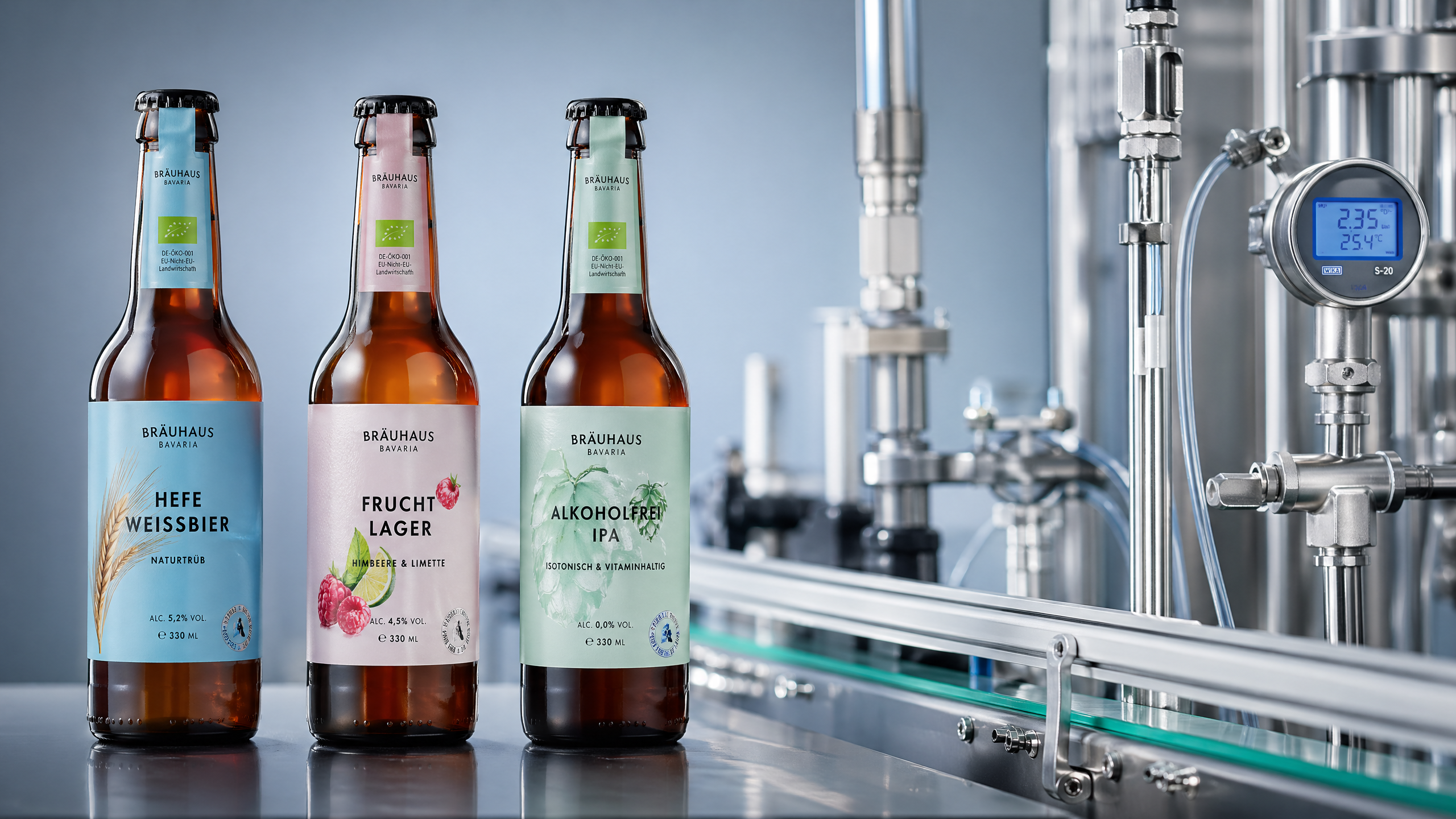
As global demand surges for authentic, small-batch beer, brands across Asia, Europe, North America, and Latin America are turning to full-service brewing partners — but slapping a 'craft' label on outsourced beer can trigger legal exposure. Whether you're a procurement officer evaluating an Asia beer contract manufacturer, a distributor seeking European craft brewery expertise, or a decision-maker exploring brewery outsourcing, understanding the regulatory tightrope of custom beer manufacturing is critical. Jinpai Beer delivers end-to-end solutions — from beer OEM and ODM to private label beer production — with compliance-aware formulation, scalable capacity, and market-ready functional specialties.
Why “Craft” Is a Legally Sensitive Label in EU & UK Markets
In the EU, the term “craft beer” has no binding legal definition — but national authorities (e.g., Germany’s *Reinheitsgebot* enforcement bodies, UK’s Trading Standards) routinely challenge misrepresentation under consumer protection laws. Over 73% of labeling disputes filed by EU food safety authorities in 2023 involved origin, process, or scale claims inconsistent with actual production data.
Key red flags include: using “small-batch” language while producing >50,000 hectoliters/year; claiming “independent ownership” when the brand is fully owned by a multinational; or labeling outsourced beer as “brewed in [Country]” without disclosing third-party contract manufacturing. These aren’t just marketing missteps — they risk fines up to 4% of annual turnover under the EU Consumer Protection Cooperation (CPC) Regulation.
Jinpai Beer supports compliant branding by providing auditable production records, batch-level traceability logs, and co-branded documentation templates aligned with EU Regulation (EU) No 1169/2011. All OEM/ODM contracts include clause-by-clause review of label claims — delivered within 5–7 business days of order confirmation.
How Full-Service Brewing Partners Differ From Standard Contract Brewers
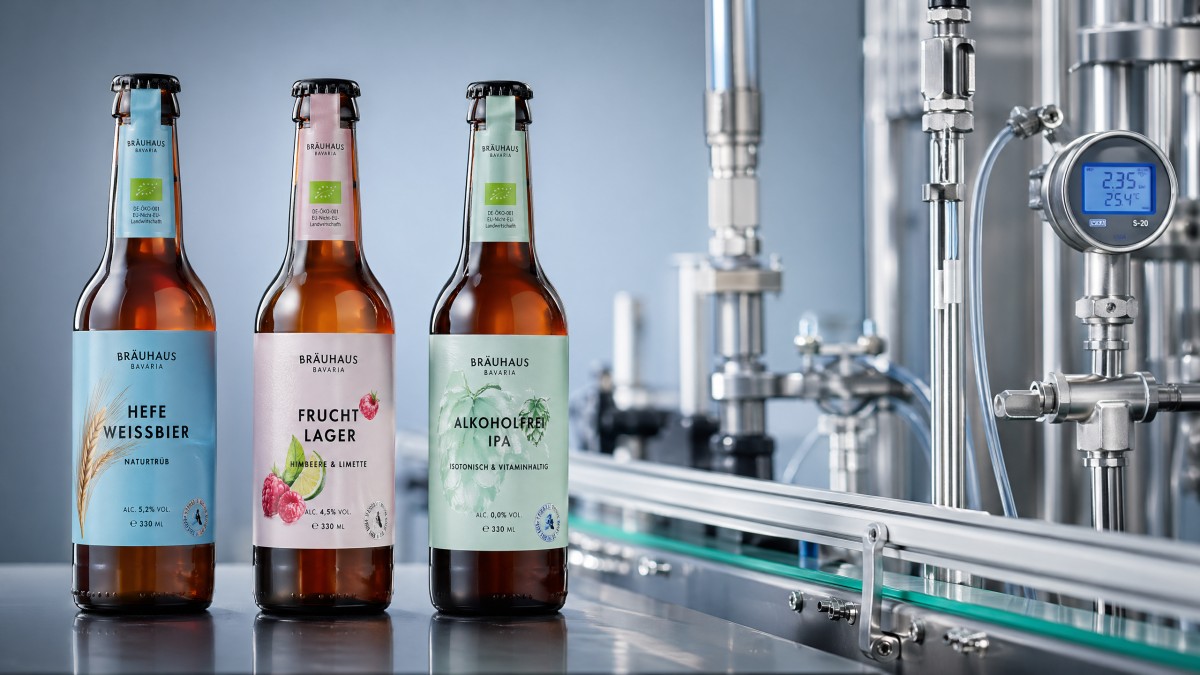
Not all brewing partners offer true end-to-end control. A standard contract brewer typically handles only fermentation and packaging — leaving R&D, recipe validation, regulatory documentation, and logistics coordination to the client. In contrast, full-service providers like Jinpai Beer manage 6 core stages: raw material sourcing, lab-scale pilot batches (3 iterations minimum), sensory panel testing, stability trials (90-day shelf-life validation), label compliance certification, and multi-channel distribution readiness.
This distinction directly impacts time-to-market: clients using full-service support reduce launch timelines by 35–42%, based on average project data from 2022–2024 across 87 branded launches in EU retail channels.
Which Beer Categories Benefit Most From Compliant Outsourcing?
Functional specialty beers — such as sugar-free low-calorie variants, fruit-flavored infusions, and botanical-enriched formats — face the strictest scrutiny under EU Novel Foods Regulation (EU) 2015/2283. Jinpai Beer’s R&D team holds documented experience with 12+ functional ingredients approved for EU market entry, including monk fruit extract (E961), erythritol (E968), and lactic acid bacteria strains with EFSA QPS status.
For distributors targeting premium on-trade accounts (bars, gastropubs), German wheat and Whole wheat lager Beer benefit from our dual-certification: ISO 22000 for food safety and GMP-compliant gluten-reduction protocols (<5 ppm). This enables accurate “gluten-reduced” labeling — a key differentiator in health-conscious markets like Sweden and the Netherlands.
Classic lager remains the highest-volume category for wholesale supply, with typical lead times of 2–4 weeks from artwork finalization to FOB port loading. All formulations undergo 3-stage microbiological testing (pre-, mid-, and post-fermentation) to meet EU Directive 2001/112/EC limits.
What Procurement Teams Should Verify Before Signing
Before engaging any brewing partner, procurement officers must validate 5 non-negotiable items:
- Proof of active EU Food Business Operator (FBO) registration number (displayed on all invoices and batch records)
- Written confirmation of allergen cross-contact controls (validated via annual third-party audit reports)
- Batch-specific COA (Certificate of Analysis) templates pre-approved by your internal QA team
- Contractual commitment to retain raw material certificates for ≥2 years post-delivery
- Explicit clause permitting unannounced audits at the brewing facility (required for major EU supermarket chains)
Jinpai Beer provides all five — plus bilingual (EN/DE) documentation packages and real-time batch tracking via shared cloud portal. Our average response time for audit scheduling requests is under 48 hours.
Why Global Distributors Choose Jinpai Beer for EU-Market Launches
We combine technical rigor with commercial flexibility: dedicated project managers fluent in English, German, and Spanish; multi-currency invoicing (EUR, USD, GBP); and seamless integration with common ERP systems (SAP, Oracle NetSuite, Microsoft Dynamics).
Whether you’re launching a new Whole wheat lager Beer line in Berlin supermarkets or scaling fruit-flavored variants across LATAM duty-free channels, our service model includes 3-phase rollout support: regulatory pre-check (7–10 days), pilot batch validation (3 weeks), and full commercial ramp-up (8–12 weeks).
Ready to assess compliance readiness for your next EU beer launch? Contact us for a free label claim audit, MOQ evaluation, or sample shipment — with full documentation package included.
Thank you very much for writing to us. Please leave your message and contact information, we will reply to you within 24 hours.