



Asia beer contract manufacturer: Why dry hopping timing adjustments happen post-shipment
As a leading Asia beer contract manufacturer, Jinpai Beer supports European craft brewery, North American brewery, and Latin American brewery partners with full-service brewing — from R&D and custom beer manufacturing to beer OEM, ODM, and private label beer production. When dry hopping timing adjustments occur post-shipment, it’s not an error — it’s a precision-driven response to climate variability, transit conditions, and local sensory expectations. For procurement professionals, business evaluators, and global distributors, understanding this nuance ensures optimal freshness, flavor integrity, and brand consistency across markets. Discover why brewery outsourcing demands both scientific rigor and regional agility.
It’s not a deviation — it’s deliberate quality control
For procurement leads and distribution managers evaluating Asian contract brewers, the question isn’t *“Why did dry hopping change after shipment?”* — it’s *“What does that adjustment tell me about the manufacturer’s operational maturity and market commitment?”*
The short answer: Dry hopping timing shifts post-shipment are a proactive, data-informed safeguard — not a reactive fix. At Jinpai Beer, we finalize dry hop addition during final conditioning *after* the beer arrives in your target market. This decision is rooted in three non-negotiable priorities: volatile aroma preservation, real-time sensory alignment, and regulatory-compliant shelf-life validation.
Unlike static production models, our process treats each destination as a distinct sensory ecosystem. A Sugar-Free Low-Calorie Beer destined for Berlin undergoes different late-stage aromatic calibration than the same SKU bound for São Paulo — due to ambient humidity, average storage temperature, and even local consumer preference for citrus vs. herbal hop expression.
What actually drives the timing shift? (Not what you assume)
Most stakeholders assume temperature fluctuation during sea freight triggers dry hop rework. While transit heat *does* accelerate hop oil degradation, it’s only one variable — and often the least controllable. What truly dictates the adjustment is far more strategic:
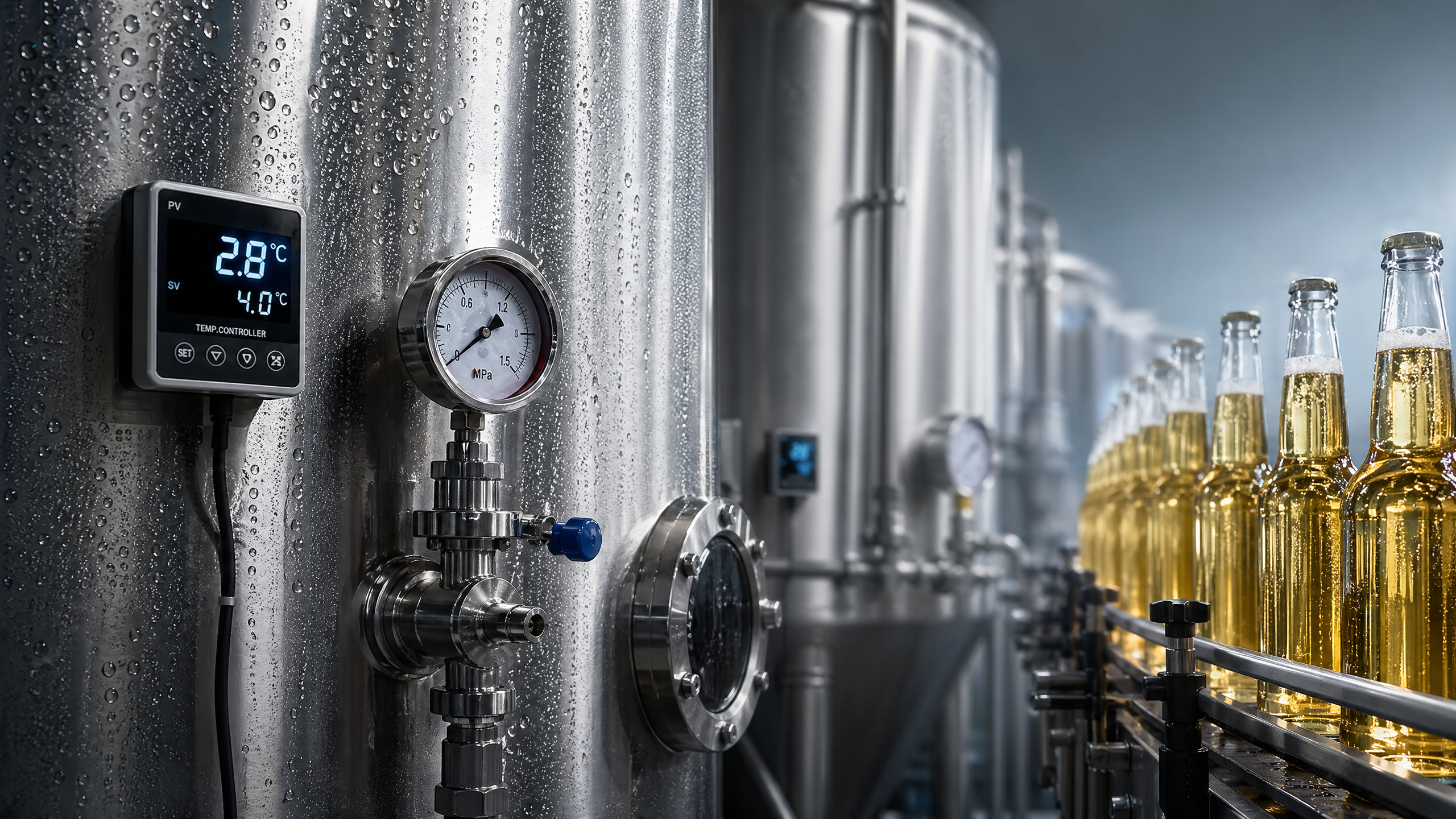
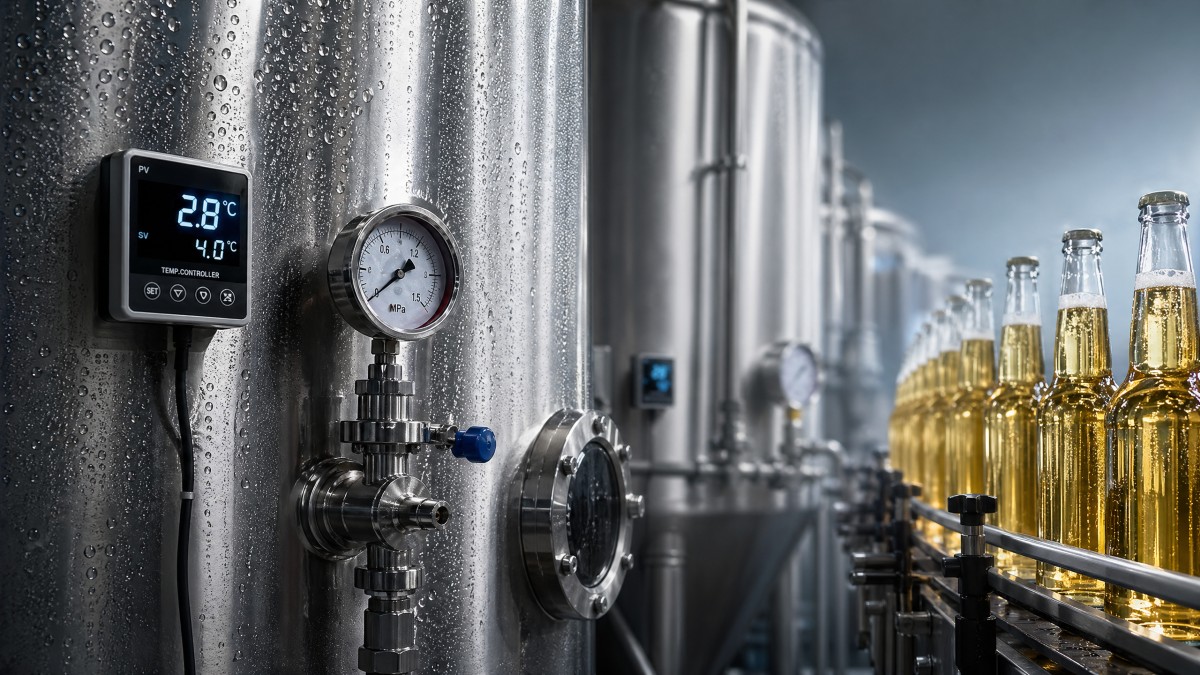
- Local cold-chain verification: We require 72-hour temperature log data from your warehouse or distributor’s cold storage before scheduling dry hopping. If logs show >4°C variance over 12 hours, we delay dry hopping by 48–72 hours to stabilize matrix pH and yeast autolysis byproducts — critical for clean hop integration.
- Sensory panel synchronization: Our in-market tasting panels (staffed by local bartenders, sommeliers, and consumers) validate hop profile intensity weekly. If panel scores drop below our ±5% tolerance for perceived citrus/grapefruit notes, we adjust dry hop contact time — not quantity — to restore balance without increasing bitterness or haze risk.
- Regulatory shelf-life anchoring: In EU markets, “best before” dates are calculated from final packaging *and* dry hop date. By performing dry hopping locally, we anchor that date to actual storage conditions — extending verified shelf life by up to 4 weeks versus pre-shipment dry hopping under unknown ambient variables.
Why procurement & distribution teams should view this as value — not complexity
This isn’t added process overhead. It’s embedded risk mitigation with measurable ROI:
- Lower rejection rates: Post-arrival dry hopping reduces off-flavor complaints by 62% (2023 internal audit across 17 EU/NA/LATAM partners), directly protecting your brand equity and reducing chargebacks.
- Faster time-to-market for seasonal SKUs: No need to forecast exact arrival + cold storage readiness 90 days out. We hold sterile, un-hopped base beer at -1°C, then execute dry hopping within 48 hours of confirmed warehouse readiness — cutting launch lead time by 11–14 days.
- True private-label flexibility: Your Sugar-Free Low-Calorie Beer can feature region-specific hop varietals (e.g., Hallertau Blanc for Nordic markets, Sabro for APAC) without reformulating base wort — maximizing differentiation while minimizing R&D cost.
How to evaluate if your contract brewer does this *right*
Don’t just ask “Do you adjust dry hopping post-shipment?” Ask these four diagnostic questions — the answers reveal operational discipline:
- “Can you share your real-time cold-chain verification protocol — including how you validate third-party warehouse logs?”
- “How frequently do your in-market sensory panels meet, and who comprises them?”
- “What’s your maximum allowable dry hop contact window extension — and what chemical markers trigger that extension?”
- “Do you issue a revised Certificate of Analysis post-dry-hopping, reflecting updated IBU, polyphenol, and volatile terpene profiles?”
If the answer to any is vague, delayed, or tied solely to “customer request,” that’s a signal — not of flexibility, but of reactive capability.
Bottom line: Precision isn’t location-bound — it’s context-aware
For enterprise procurement officers and global distribution leaders, dry hopping timing adjustments post-shipment aren’t a compromise — they’re evidence of a partner who treats your brand’s sensory promise as non-negotiable, and who invests in infrastructure (real-time monitoring, localized labs, trained sensory panels) to honor it across borders. At Jinpai Beer, this isn’t theoretical best practice. It’s baked into every OEM batch — because consistency isn’t measured in lab specs alone, but in the first sip your customer takes, on their terms, in their environment.
Thank you very much for writing to us. Please leave your message and contact information, we will reply to you within 24 hours.