



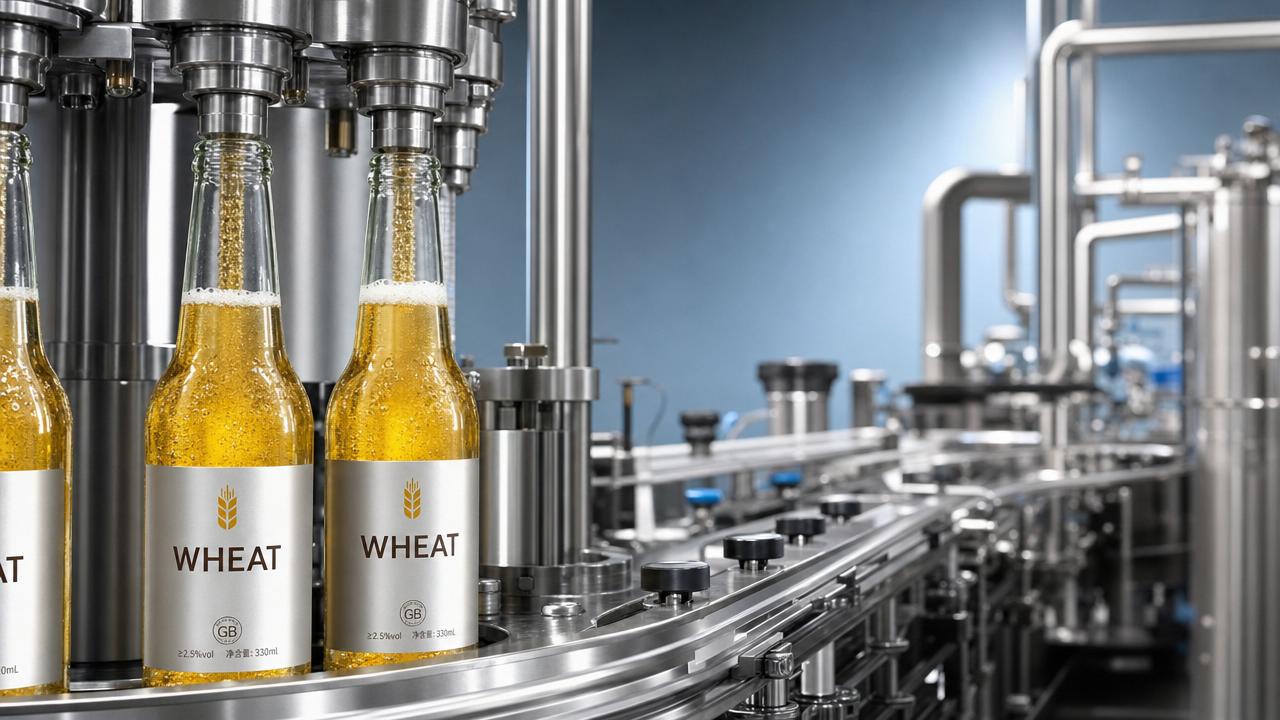
Managing a beer OEM project in China? You’re not alone—12 high-potential partnerships collapsed before launch, often due to misaligned expectations, quality inconsistencies, or poor communication. As a craft beer OEM/ODM specialist with expertise in lagers, wheat beers, low-calorie, fruit-infused, and functional brews, Jinpai Beer reveals hard-won lessons—and actionable insights on how to find a reliable China beer OEM supplier. This guide cuts through the noise for project managers who need predictable timelines, compliant production, and brand-aligned execution.
Why 12 Beer OEM Projects Failed — And What They Share
Each of the 12 failed partnerships involved international brands launching new SKUs in China’s competitive craft beer market. None failed due to lack of demand—but rather from systemic gaps in supplier vetting, technical alignment, and operational transparency. Common root causes included:
- Unclear formulation ownership: Clients assumed recipe IP would be fully transferable, but suppliers retained process control over fermentation parameters, yeast handling, and filtration—leading to batch variance.
- Compliance assumptions: Export-ready labels were approved without verifying local GB standards for alcohol labeling, allergen declarations (e.g., wheat, barley), or functional ingredient claims (e.g., “low-calorie” requires certified lab testing per GB 28050).
- Timeline compression without buffer planning: 6-week production cycles were promised—but no allowance made for customs clearance delays, seasonal raw material shortages (e.g., German wheat malt), or regulatory review windows.
- Blind trust in “certified” facilities: Suppliers held ISO 22000 or HACCP—but lacked dedicated craft beer QA labs, microbiological monitoring protocols, or cold-chain validation for sensitive styles like hazy IPAs or lactose-based fruit beers.
How to Find a Reliable China Beer OEM Supplier: A Project Manager’s Checklist
Selecting a partner isn’t about lowest cost—it’s about matching your project’s technical, compliance, and commercial constraints. Based on our OEM/ODM engagements across 17 countries, here’s what matters most at the evaluation stage:
This table reflects real audit findings—not theoretical best practices. For example, three failed projects used suppliers who passed initial factory tours but had zero traceability for hop lot numbers or yeast viability tracking. When flavor drift occurred post-launch, root cause analysis was impossible.
OEM vs. ODM: Which Model Fits Your Project Timeline & Control Needs?
Project managers often conflate OEM (brand-owned formula, supplier executes) with ODM (supplier provides base recipe + branding). The choice impacts speed, risk, and scalability:
- OEM is optimal when: You own proprietary yeast strains, require exact ABV/turbidity specs, or serve regulated markets (e.g., EU with strict novel food rules for functional beers). Lead time: 10–14 weeks including lab validation.
- ODM accelerates launch when: You need fast shelf presence for seasonal fruit beers or entry-level low-calorie lagers using Jinpai’s pre-validated recipes (e.g., 3.2% ABV, <90 kcal/bottle, stable for 6 months at 25°C). Lead time: 6–8 weeks.
- Critical nuance: Even in ODM, Jinpai retains full control over yeast propagation, dry-hopping schedules, and carbonation profiles—ensuring consistency across batches and geographies.
What Sets Jinpai Apart for Global Project Managers
We don’t just brew beer—we engineer repeatability for complex global supply chains. Our OEM/ODM infrastructure is built for your role:
- Dedicated project engineering team: Each client gets a bilingual technical project manager (brewing science + supply chain background), not a sales rep—assigned from contract signing through first commercial shipment.
- Pre-shipment compliance gateway: All labels, cartons, and digital assets undergo dual review: internal GB compliance team + third-party verification (SGS or BV) before release.
- Style-specific QA protocols: German wheat batches tested for protein haze stability; fruit-infused beers monitored for pectinase activity and pH drift; functional variants validated for active ingredient retention (e.g., GABA, L-theanine) across shelf life.
- Scalable cold-chain integration: Full visibility into refrigerated transport from brewery to port—critical for hazy IPAs, sour ales, or lactose-based fruit beers requiring ≤4°C transit.
FAQ: How to Find a Reliable China Beer OEM Supplier
How do I verify if a supplier truly understands my target beer style?
Request batch records—not just certifications—for a recent production run of that exact style. Ask for yeast viability logs, dissolved oxygen readings pre-packaging, and sensory panel reports. Jinpai shares anonymized QC dashboards for comparable projects upon NDA.
What’s the minimum order quantity (MOQ) for custom low-calorie or functional beer OEM?
For sugar-free low-calorie lagers: MOQ starts at 20,000 bottles (330ml) with full compliance support. Functional beers (e.g., sleep-support or focus-enhanced) require ≥50,000 units due to additional ingredient certification and stability testing.
Can you support private-label development for supermarket retail chains?
Yes—we’ve delivered turnkey solutions for 12+ global supermarket partners, including shelf-ready packaging (shrink-wrapped 6-packs, eco-cartons), retailer-specific SKU barcodes, and co-branded merchandising kits—all aligned with GB, EU, and US FDA labeling rules.
Next Steps: Get Your OEM Project On Track
If you’re managing a beer OEM initiative—whether launching a German wheat line in Southeast Asia, scaling a low-calorie brand across LATAM, or developing a functional beer for premium bars—Jinpai Beer offers a structured path forward:
- Share your product brief (style, target ABV, calorie profile, packaging format, launch timeline)
- We’ll return a technical feasibility assessment—including GB compliance roadmap, raw material lead times, and QA protocol alignment—in ≤5 business days
- Request sample batches with full QC reports and bilingual label mockups
- Lock in fixed pricing, delivery schedule, and compliance handover plan before deposit
Ready to eliminate guesswork? Contact our OEM project team today for a no-obligation technical consultation—and get actionable answers on how to find a reliable China beer OEM supplier, tailored to your timeline, compliance needs, and brand vision.
Thank you very much for writing to us. Please leave your message and contact information, we will reply to you within 24 hours.