



For craft beer startups exploring China beer OEM for craft beer startup, the first contract often hides critical MOQ (Minimum Order Quantity) traps—unexpected volume commitments, tiered pricing pitfalls, and inflexible scaling terms that strain early-stage cash flow and inventory planning. At Jinpai Beer, we’ve seen dozens of international startups stumble here—not due to poor product fit, but because standard OEM templates prioritize factory efficiency over startup agility. This article unpacks what’s rarely disclosed upfront, backed by real negotiation insights from our OEM/ODM partnerships with emerging brands across Europe, North America, and APAC.
When “Standard MOQ” Means “Startup Risk”
Most breweries assume MOQ is a fixed number—e.g., “5,000 cases per SKU.” In reality, Chinese OEM contracts often embed layered MOQ logic:
- Base MOQ per SKU—but only if all SKUs ship together in one container;
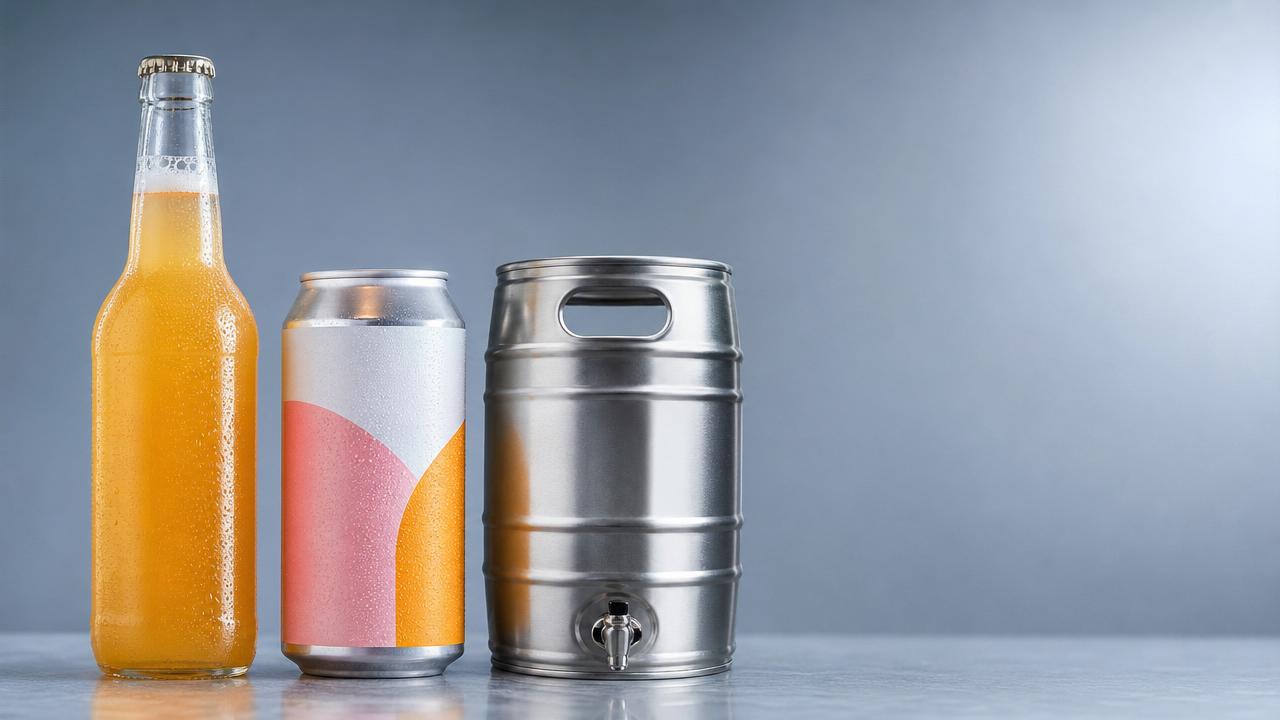
- Separate MOQs for packaging formats (cans vs. bottles vs. kegs);
- MOQ escalation clauses triggered by label redesigns or ingredient substitutions;
- “Effective MOQ” reductions only after three consecutive on-time payments—no grace period for first orders.
These aren’t loopholes. They’re operational necessities for factories—but they’re rarely itemized in initial quotes. Startups sign expecting flexibility, then face penalties for splitting shipments or delaying second batches.
How MOQ Structures Differ Across Startup Growth Stages
A pre-launch brand testing shelf appeal needs fundamentally different OEM terms than a Series A-funded brand scaling into 300 retail doors. Jinpai Beer tailors MOQ frameworks to four distinct phases:
Note: All tiers include free formulation adjustments (up to 3 iterations) and compliance support for EU FIC, US TTB, and ASEAN food labeling standards—critical for China beer OEM for craft beer startup navigating fragmented regulatory entry points.
Three Hidden MOQ Traps—and How Jinpai Mitigates Them
Trap #1: “MOQ Per Batch” ≠ “MOQ Per Calendar Year.” Some contracts reset MOQ every production run—even if prior batches shipped within 30 days. Result: A startup ordering 2,000 units monthly hits MOQ six times, not once.
Our fix: Annualized MOQ with rolling 12-month calculation. First-year minimums start at 60% of projected volume—with no penalty for under-shipment if forecast variance stays under 20%.
Trap #2: Packaging MOQs stacked multiplicatively. Example: 3,000-unit MOQ × 3 can sizes × 2 label variants = 18,000 units before first shipment clears customs.
Our fix: Unified packaging MOQ. One base quantity covers all size/variant combinations within a core recipe family (e.g., all hazy IPA variants share the same MOQ pool).
Trap #3: Ingredient-driven MOQ inflation. Switching from standard barley malt to organic malt—or adding functional ingredients like L-theanine—triggers +40% MOQ without notice.
Our fix: Ingredient flexibility clause. Pre-approved functional and premium inputs (including sugar-free sweeteners, plant-based proteins, and botanical extracts) carry zero MOQ surcharge—provided sourced through Jinpai’s certified supply chain.
Why “Negotiate MOQ Last” Is the Wrong Strategy
Startups often focus negotiations on unit price or lead time—then treat MOQ as a final checkbox. But MOQ dictates everything else:
- It determines your minimum viable inventory investment;
- It locks in your earliest cash conversion cycle;
- It shapes your ability to respond to distributor feedback or seasonal demand shifts.
At Jinpai, we reverse the sequence: We co-develop MOQ architecture *before* quoting unit cost. That way, pricing reflects true operational scalability—not theoretical factory capacity.
Your Next Step: From MOQ Anxiety to Agile Sourcing
If you’re evaluating China beer OEM for craft beer startup, don’t request a generic MOQ sheet. Instead:
- Share your 12-month sales forecast by channel (e.g., 40% DTC, 30% bars, 20% supermarkets, 10% festivals);
- Specify your top 3 priority SKUs—including format, ABV range, and target certifications (organic, gluten-free, vegan);
- Flag any planned limited editions or seasonal variants requiring rapid iteration.
Jinpai Beer will return a tailored MOQ framework within 48 hours—including volume thresholds, payment milestones, and built-in adjustment windows. No template. No assumptions. Just aligned scalability.
We support classic lager, German wheat, sugar-free low-calorie beer, fruit-flavored beer, and functional specialty beers—all produced under ISO 22000 and HACCP-certified lines. Our OEM/ODM service includes end-to-end logistics, multilingual labeling, and real-time production dashboards.
Ready to replace MOQ uncertainty with startup-aligned terms? Contact Jinpai Beer today for a no-obligation MOQ strategy session—designed exclusively for craft beer startups entering global markets.
Thank you very much for writing to us. Please leave your message and contact information, we will reply to you within 24 hours.