



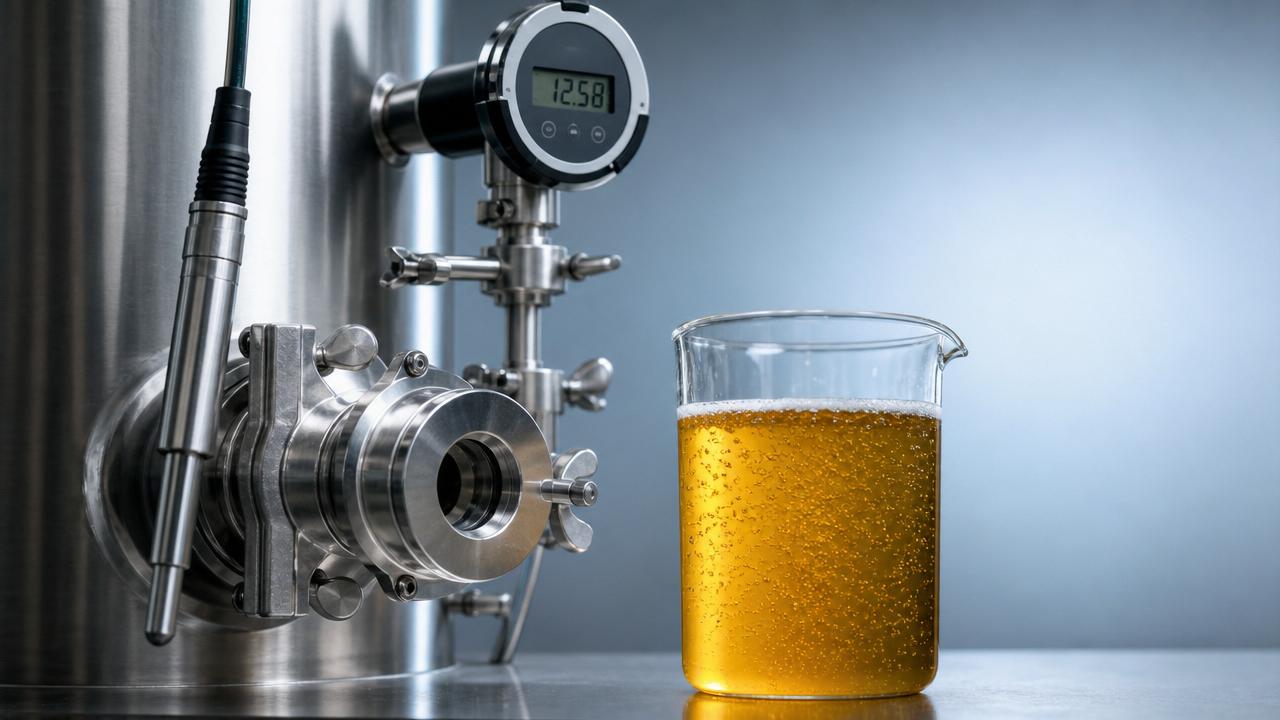
When conducting Beer OEM factory audits, technical evaluators often rely on standard checklists—yet critical gaps in brewing consistency, ingredient traceability, and functional beer formulation capability remain invisible. At Jinpai Beer, our craft-focused OEM/ODM facility goes beyond compliance: we audit *what matters* for scalable, brand-aligned production—from yeast strain validation and low-calorie fermentation control to fruit puree stability testing and functional ingredient integration. This article reveals the overlooked audit dimensions that separate commodity suppliers from true technical partners.
What Is a Beer OEM Factory—Beyond the Label
A Beer OEM factory is not merely a contract brewer with stainless-steel tanks and a GMP certificate. It is a technical extension of your brand’s R&D, quality assurance, and supply chain strategy. For technical evaluators, “Beer OEM factory” denotes a partner capable of replicating precise sensory profiles, maintaining batch-to-batch reproducibility across volumes (from 500L pilot batches to 30,000L commercial runs), and adapting formulations to evolving regulatory, nutritional, and consumer demands—especially in categories like sugar-free low-calorie beer or functional specialty beers. Unlike generic beverage co-packers, a true Beer OEM factory integrates brewing science, raw material forensics, and process analytics into its operational DNA.
Why Standard Checklists Fall Short in Craft & Functional Brewing
Standard audit protocols—often borrowed from food manufacturing or bulk alcohol production—prioritize hygiene, documentation, and equipment calibration. While essential, they rarely probe deeper technical layers critical for modern beer innovation. For instance:
- Yeast strain fidelity verification: Does the factory routinely sequence and phenotype its house strains—or simply rely on supplier certificates?
- Fermentation thermodynamics logging: Are temperature gradients across fermenter zones tracked in real time, not just averaged at set points?
- Fruit puree matrix compatibility: Has accelerated shelf-life testing been performed on specific fruit-beer combinations to prevent haze formation or ester degradation?
- Functional ingredient dispersion validation: How is uniformity of botanical extracts, vitamins, or adaptogens confirmed post-addition—via HPLC, not visual inspection?
These omissions risk brand dilution, shelf-life failures, and regulatory exposure—particularly when launching sugar-free low-calorie beer or German wheat with authentic clove phenolic character.
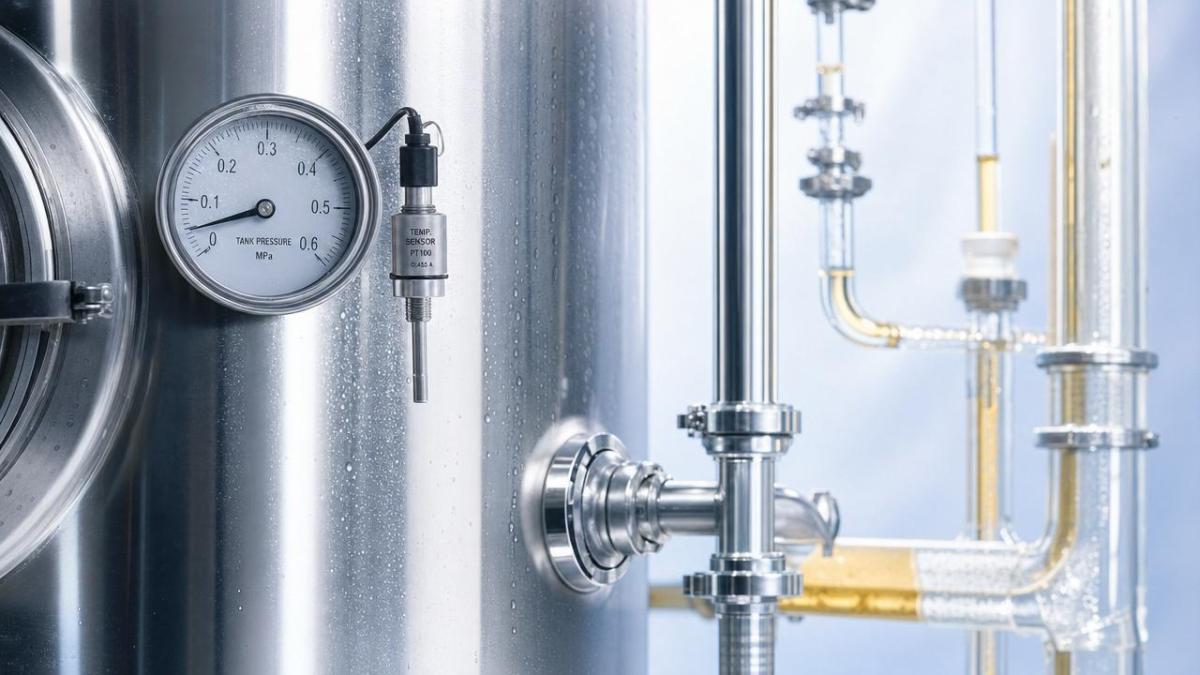
Key Technical Capabilities That Define a Premium Beer OEM Factory
Technical evaluators should prioritize verification of these five capability pillars—not just their existence, but their embeddedness in daily operations:
Who Benefits Most From Rigorous Beer OEM Factory Assessment?
While global distributors and retailers assess cost and logistics, technical evaluators serve as the frontline safeguard for brand integrity. The following stakeholders gain measurable ROI from elevated audit rigor:
- Brand Owners launching functional specialty beers: Require documented proof of ingredient interaction studies—not just “no adverse reaction observed.”
- R&D teams scaling pilot recipes: Need verified data on attenuation curves, hop oil retention, and cold-crash kinetics—not just final ABV and IBU.
- Quality Assurance managers: Depend on root-cause traceability down to malt lot, water mineral profile, and centrifuge rotor speed—not just QC pass/fail stamps.
- Regulatory compliance officers: Must confirm allergen cross-contact controls for wheat-based German wheat and gluten-reduced claims for sugar-free low-calorie beer.
Actionable Steps for Technical Evaluators
Move beyond checklist compliance with these evidence-based actions:
- Request raw fermentation data, not just summaries—e.g., full temperature/time logs, dissolved oxygen traces, and pH curves for three consecutive batches of your target SKU.
- Validate analytical method equivalence: Confirm whether the factory’s HPLC, GC-MS, or enzymatic assay protocols align with your internal reference methods—or require bridging studies.
- Observe a live canning run for fruit-flavored beer, focusing on fill temperature, headspace O₂ measurement, and post-filler microbiological swabbing frequency.
- Review change control records for any modification affecting flavor release, foam stability, or functional ingredient efficacy—even minor pump upgrades or filter media changes.
Partner With Precision—Not Just Capacity
At Jinpai Beer, our OEM/ODM facility operates as an extension of your technical team—not a black-box supplier. We maintain active R&D collaboration with clients on yeast selection, low-calorie fermentation optimization, and fruit stabilization protocols. Our labs are ISO/IEC 17025-accredited for key beer parameters, and every functional specialty beer undergoes 90-day real-time stability testing before launch approval. Whether you’re developing a new German wheat with authentic hefeweizen character or scaling a sugar-free low-calorie beer for global supermarket distribution, we audit what matters—so your brand delivers consistently, compliantly, and authentically.
Ready to move beyond the standard checklist? Contact Jinpai Beer’s Technical Partnership Team for a tailored OEM factory capability assessment—including access to full fermentation datasets, raw material traceability maps, and functional ingredient integration reports.
Thank you very much for writing to us. Please leave your message and contact information, we will reply to you within 24 hours.