



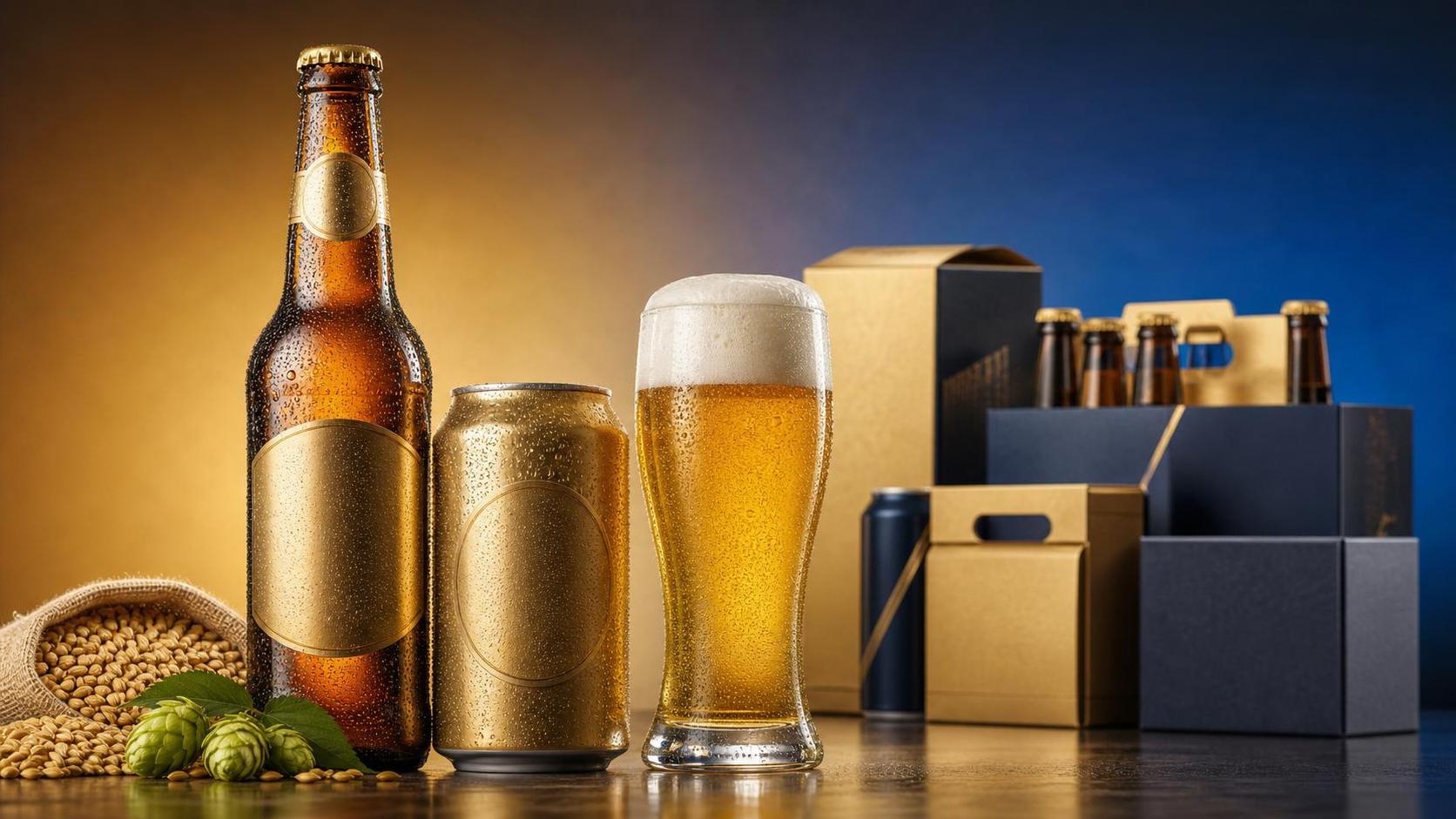
The strong lager beer segment is entering 2026 with clearer direction and sharper competition. A strong lager beer manufacturer is no longer judged only by alcohol strength or production scale.
What matters now is how well a supplier matches shifting taste preferences, premium positioning, regulatory demands, and channel needs across different markets.
That shift is especially relevant in beer distribution, where portfolio decisions increasingly depend on consistency, flexibility, and the ability to serve both mainstream and niche demand.
For companies evaluating long-term supply partners, 2026 looks less like a volume race and more like a capability test. Strong lager remains important, but expectations around it have changed.
What the Market Means by Strong Lager in 2026
Strong lager traditionally refers to lager beer with higher alcohol content than standard mainstream options. In many markets, that means a fuller body, stronger malt presence, and a more noticeable warming finish.
Yet the category is broadening. Buyers are now comparing not just ABV, but drinkability, ingredient profile, packaging style, shelf appeal, and suitability for specific retail or hospitality settings.
A strong lager beer manufacturer therefore competes on balance rather than strength alone. High alcohol without clean flavor, stable quality, or channel fit is becoming harder to place successfully.
This is why many suppliers are refining recipes and expanding related product lines. Strong lager can no longer sit in isolation from broader beer category trends.
Premiumization Is Reshaping Product Expectations
One of the strongest trends shaping 2026 is premiumization. Consumers in many regions are drinking more selectively, even when overall beer volumes are under pressure.
That creates room for strong lager products with better ingredient stories, cleaner brewing methods, upgraded packaging, and more distinctive flavor identity.
In practice, a strong lager beer manufacturer must deliver more than low-cost output. Importers and channel partners increasingly look for products that can support margin, not just movement.
Premiumization does not always mean luxury positioning. In many cases, it means reliable taste, attractive branding, and specifications that work across supermarkets, bars, restaurants, and online channels.
This is where a broader brewing background matters. Suppliers with experience in classic lager, wheat beer, low-calorie lines, fruit variants, and functional specialty beer often adapt faster to premium segmentation.
Flavor Innovation Is Moving Closer to Mainstream Beer
The old divide between traditional beer and innovation beer is fading. Strong lager still benefits from its familiar profile, but many markets now expect more variety around that base.
This does not mean every strong lager should become fruit-forward or experimental. It means the manufacturer should understand how to position strong lager inside a wider portfolio strategy.
For example, an account may list strong lager as the core volume line, while using wheat beer, sugar-free low-calorie beer, or fruit-flavored beer to widen audience reach.
A strong lager beer manufacturer with broader R&D capability can support that approach more effectively than a single-style producer. That matters when buyers want both stability and room for category expansion.
In 2026, flavor innovation is less about novelty for its own sake. It is about helping a beer range stay commercially relevant in mixed consumption occasions.
Supply Flexibility Has Become a Commercial Requirement
Beer buyers are paying closer attention to manufacturing flexibility. Order size, packaging format, label adaptation, and compliance support now influence supplier selection almost as much as taste.
That is one reason OEM and ODM models are gaining importance in the beer sector. A strong lager beer manufacturer that offers customized solutions can help local brands move faster and control market positioning better.
This is particularly useful when a market needs private label programs, exclusive SKUs, or channel-specific presentation. The same product may need different pack sizes for retail shelves and on-trade service.
The following table shows how evaluation criteria are changing.
A supplier serving online and offline channels globally is often better prepared for these practical adjustments. That operational range reduces friction when market conditions change quickly.
Why Channel Demand Is Becoming More Fragmented
The route to market for beer is no longer simple. Retail chains, convenience formats, restaurants, bars, specialty stores, and e-commerce platforms all ask for different product stories and pack structures.
A strong lager beer manufacturer has to account for that fragmentation early, not after production. What works in a nightlife setting may not work in family retail, and what sells online may need stronger visual differentiation.
This creates value for manufacturers that can align recipe, branding, and supply terms with real channel behavior. The product is important, but the fit between product and selling environment matters just as much.
Suppliers with wholesale experience across restaurants, supermarkets, bars, and retail channels usually have a clearer view of those operating differences.
Typical channel considerations
- Retail often values stable pricing, shelf impact, and barcode or labeling compliance.
- Bars and restaurants tend to focus on drinkability, serving compatibility, and menu positioning.
- E-commerce needs stronger packaging integrity and clearer digital product communication.
- Regional partners may need exclusive formulas or differentiated brand architecture.
Health-Conscious Drinking Is Affecting Even Strong Beer
It may seem counterintuitive, but health-aware consumption trends are influencing strong lager too. People are not simply abandoning stronger beer; many are becoming more selective about when and why they choose it.
That means product portfolios need contrast. A strong lager beer manufacturer with adjacent options such as sugar-free low-calorie beer can help buyers build a more resilient range.
The value here is strategic. Strong lager can remain a profitable core line, while lighter or functional specialty beers create alternative entry points for broader consumer groups.
In business terms, this reduces dependence on one drinking occasion or one taste segment. It also makes line extension more credible when market sentiment shifts.
How to Assess a Strong Lager Beer Manufacturer
Choosing a supply partner in 2026 requires more than tasting samples and checking FOB prices. The more useful question is whether the manufacturer can support commercial growth over time.
Several points deserve close review.
- Recipe stability across production batches and shipment cycles.
- Ability to handle OEM, ODM, and customized packaging requests.
- Breadth of beer styles that can support future portfolio expansion.
- Export readiness, documentation quality, and response speed.
- Experience serving both online and offline channels in multiple regions.
A strong lager beer manufacturer with in-house R&D and a diversified craft beer offering is often better positioned to meet these conditions. That combination supports both current demand and future adjustment.
Where the Opportunity Is Heading
The strong lager category is not losing relevance. It is becoming more disciplined, more segmented, and more dependent on execution quality.
Growth will likely come from suppliers that pair dependable brewing with commercial flexibility. That includes clean lager fundamentals, premium-ready presentation, and the ability to support surrounding categories.
For businesses planning 2026 sourcing, the practical next step is to compare suppliers through a wider lens. Look at product strength, yes, but also at adaptation speed, portfolio depth, and channel understanding.
A capable strong lager beer manufacturer should help build a stronger market position, not just fill containers. That is the standard worth using as the category moves into its next phase.
Thank you very much for writing to us. Please leave your message and contact information, we will reply to you within 24 hours.