



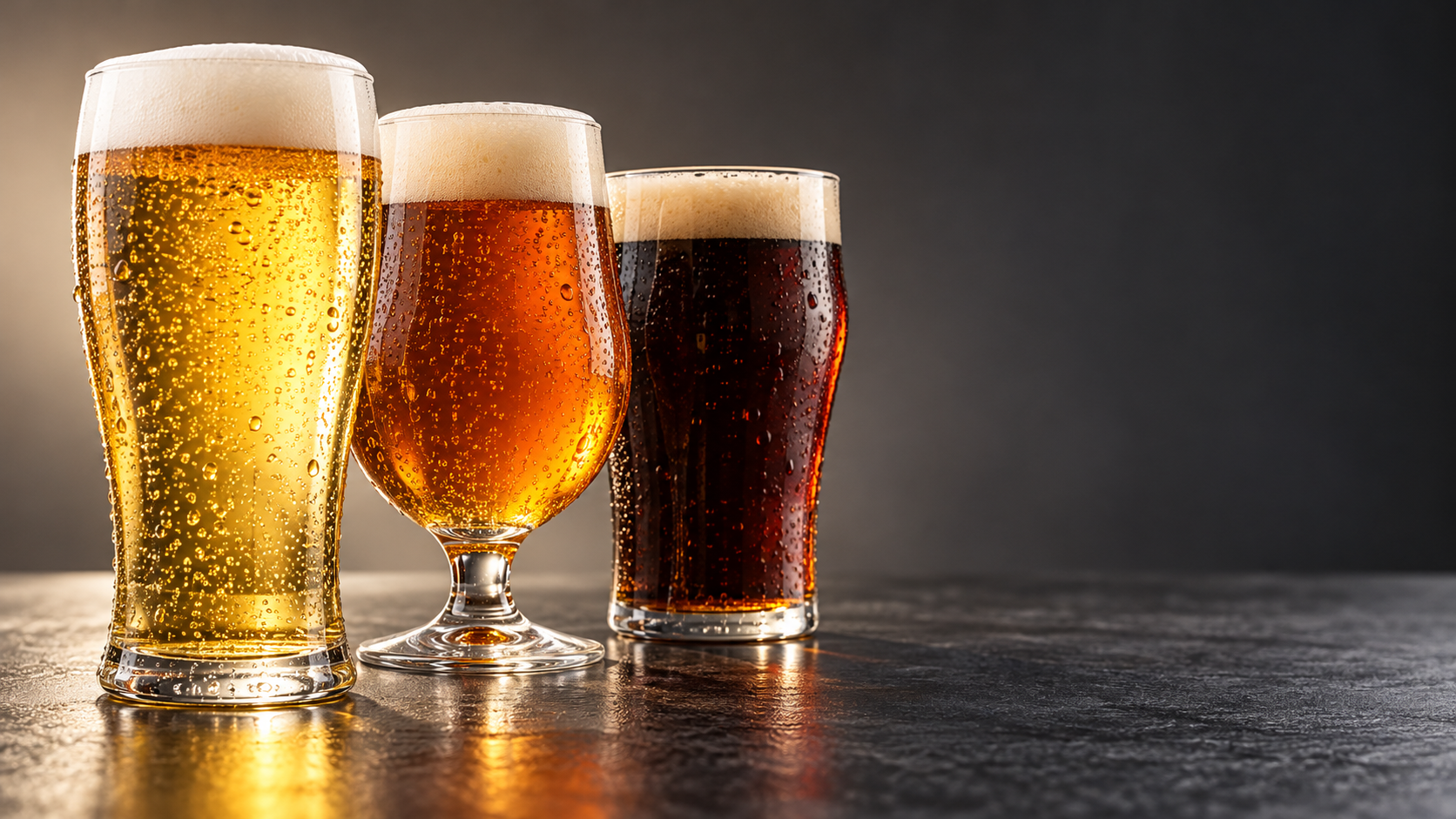
What Is Lager Beer, and Why Does It Taste Different From Ale?
Lager beer is often described as crisp, clean, and refreshing—but what makes it taste different from ale? The answer starts with yeast, fermentation temperature, and cold conditioning, which shape everything from aroma to mouthfeel. Many lagers highlight smooth malt flavors and a clean finish, while ales often develop more noticeable fruity or spicy notes during fermentation.
That distinction is useful, but it is not the whole story. A lager can be dark, strong, and richly malty. An ale can be pale, delicate, and surprisingly crisp. Understanding what separates these beer families makes it easier to choose by flavor rather than by color, packaging, or assumptions about strength.
Lager Is a Fermentation Family, Not a Single Flavor
Lager beer is generally brewed with lager yeast, usually Saccharomyces pastorianus, fermented under relatively cool conditions, and given a period of cold maturation. Ale is typically fermented with Saccharomyces cerevisiae, often at warmer temperatures. These are broad brewing patterns rather than rigid rules for every beer.
You may also hear lager called “bottom-fermented” and ale “top-fermented.” Those traditional terms describe characteristic yeast behavior, but they do not mean fermentation happens exclusively at the bottom or top of a tank. For understanding taste, yeast metabolism and fermentation conditions are more useful than picturing where the yeast sits.
The word “lager” comes from a German word associated with storage. Historically, cool storage helped shape the style; modern breweries use temperature-controlled equipment to manage the process. That connection with maturation explains why lager is more than simply a pale beer served cold.
Why Yeast Changes What You Taste
Yeast does more than convert fermentable sugars into alcohol and carbon dioxide. It also produces compounds that contribute aroma and flavor. Two brewers can start with similar malt and hops yet produce noticeably different beers through yeast selection and fermentation management.
Many ale fermentations produce relatively expressive esters, which can suggest pear, apple, banana, or other fruits. Certain ale strains also produce spicy phenolic notes. The banana-and-clove character associated with many German wheat beers, for example, comes largely from the yeast rather than from added fruit or spice.
Lager fermentation often produces a more restrained fruity profile. This leaves the grain and hops easier to distinguish: fresh bread, cracker, soft sweetness, herbal bitterness, or floral aromas may stand out. “Clean” therefore usually means that fermentation character does not dominate—not that the beer has no flavor.
Temperature influences this process, but colder does not automatically mean better. Brewers need to match conditions to the yeast strain, beer strength, and intended character. Healthy yeast, suitable pitching levels, and careful fermentation control matter alongside the temperature setting.
Cold conditioning helps refine the finish
During maturation, yeast can reduce certain fermentation by-products when conditions remain suitable. Diacetyl, which can taste buttery, is one example brewers monitor. This cleanup may involve a warmer rest before the beer is chilled; cold storage alone is not a cure for unfinished fermentation.
Subsequent cold conditioning helps yeast and some haze-forming material settle and supports the beer’s final presentation. The result can feel smoother and more integrated. However, a lager does not have to be crystal clear: unfiltered versions can retain haze and still show the expected fermentation character.
What “Crisp” Actually Means in the Glass
Crispness is a sensory impression, not a single ingredient or laboratory value. A relatively dry finish, lively carbonation, balanced bitterness, and restrained fermentation aromas can all contribute. A beer may taste crisp because it leaves little lingering sweetness, even when its first sip has a rounded malt character.
Body is different from sweetness. A beer can feel full without tasting sugary, and a light-bodied beer can still have noticeable sweetness. Malt selection, mash conditions, fermentation, carbonation, and alcohol all influence these sensations. The lager label alone cannot tell you exactly how substantial a beer will feel.
Hops further complicate the comparison. A pilsner may have a firm, lingering bitter finish, while a malt-focused ale may taste soft and rounded. If you dislike bitterness, choosing lager instead of ale is not a reliable shortcut. Look for the specific style and its tasting description.
Pale, Dark, Light, Strong: Lager Covers More Ground Than You Think
Beer color comes mainly from the grain bill and how those grains are processed, not from whether lager or ale yeast is used. That is why a dark lager can taste smoother and less roasted than its appearance suggests, while a pale ale can deliver intense bitterness and a substantial body.
These styles offer useful starting points when browsing a shelf or drinks menu:
- Helles: A pale German lager generally emphasizing soft, bready malt with restrained bitterness.
- Pilsner: Usually pale and refreshing, with a more noticeable hop presence; Czech and German interpretations differ.
- Vienna lager: Often amber, with toasted malt character rather than the pronounced roast associated with some black beers.
- Dunkel: A dark lager commonly showing bread crust and rounded malt flavors.
- Bock: A stronger lager family that can offer substantial malt richness and warming alcohol.
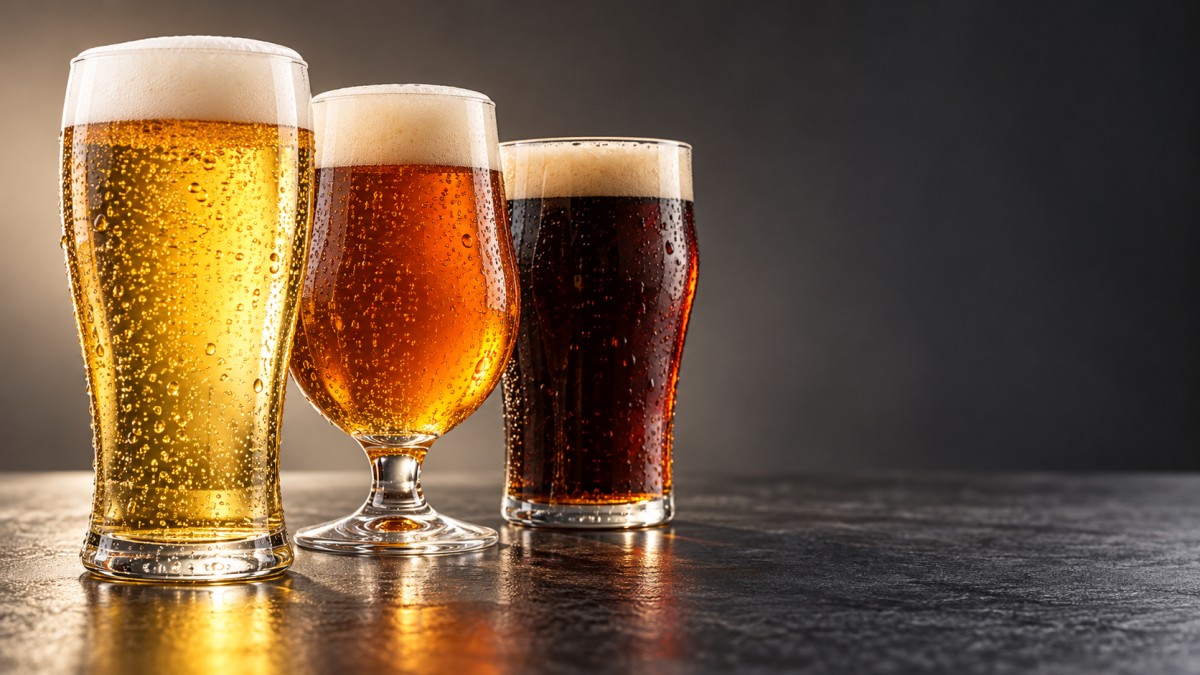
These are style tendencies, not guarantees for every brand. Brewing choices can shift the balance considerably. Alcohol by volume, the style name, and the producer’s flavor notes together tell you more than color alone.
How to Compare Lager and Ale Without Being Misled
Comparing an intensely hopped IPA with a delicate pale lager reveals obvious differences, but it does not isolate the effect of fermentation. Their recipes may differ in nearly every respect. For a more useful tasting, choose beers of similar strength and broadly similar malt and hop intensity.
Pour small samples into clean glasses and notice aroma before taking a sip. Does the fruit character resemble citrus peel and tropical hops, or softer fermentation-derived pear and banana? Those impressions can overlap, so a tasting note alone cannot conclusively identify the source. Still, paying attention helps you describe what you enjoy.
Then separate three questions: How sweet does the beer taste? How heavy does it feel? What remains after swallowing? This is more informative than deciding that one beer is simply “stronger.” That word might mean more alcohol, greater bitterness, richer malt, or a more powerful aroma.
Serving conditions matter, too. Very cold beer can seem less aromatic, while some malt and fermentation notes become easier to notice as it warms slightly. There is no single ideal serving temperature for every lager. Follow the producer’s guidance where available, and avoid judging a complex dark lager only when it is ice-cold.
Read Beyond the Front Label
“Craft,” “premium,” and “refreshing” do not tell you whether a beer is a lager or how it will taste. Craft beer can include both lager and ale. Likewise, fruit flavor describes an ingredient or sensory direction, not a fermentation family: a fruit-flavored beer can use either approach.
Jinpai Beer’s range illustrates why these distinctions matter. Its portfolio includes classic lager, German wheat beer, sugar-free low-calorie beer, fruit-flavored beer, and functional specialty beers. Those names describe different things—brewing style, flavor, or product positioning—so they should not be treated as interchangeable categories. Its R&D, production, distribution, and OEM/ODM activities also make the individual product specification more useful than a broad brand-level assumption.
For nutrition questions, check the actual label. Lager is not automatically lower in calories than ale, and “sugar-free” does not mean alcohol-free or calorie-free. Alcohol itself contributes calories. Similarly, functional positioning should not be taken as evidence that an alcoholic drink provides a health benefit; specific claims need appropriate support.
Freshness can also influence your impression. Heat, oxygen exposure, and long storage can dull hop aromas or introduce stale, papery notes. Light exposure can cause a skunky aroma in susceptible beers. Check date information and storage guidance, especially when comparing products bought through different retail channels.
Choose the Flavor You Want, Then Explore the Family
If you enjoy soft bread-like malt and restrained bitterness, helles is a sensible starting point. If you want a sharper hop finish, try a pilsner. For toasted depth without assuming heavy roast, explore Vienna lager or dunkel. A richer bock may suit a slower tasting, but check its alcohol content rather than guessing from the glass.
With food, consider intensity as well as refreshment. A delicate lager can sit comfortably alongside lightly seasoned dishes, while toasted malt can complement roasted foods. Strong chili heat may feel more intense with higher alcohol or assertive carbonation, so “cold beer” is not automatically the gentlest pairing.
The practical difference between lager and ale is how fermentation helps frame the ingredients. Lager often gives malt and hops a quieter background; ale often adds a more expressive yeast character. Neither promises lightness, darkness, bitterness, or strength. Choose one specific style, check its label, and use the finish—not just the first cold sip—to decide whether it suits your palate.
Thank you very much for writing to us. Please leave your message and contact information, we will reply to you within 24 hours.