



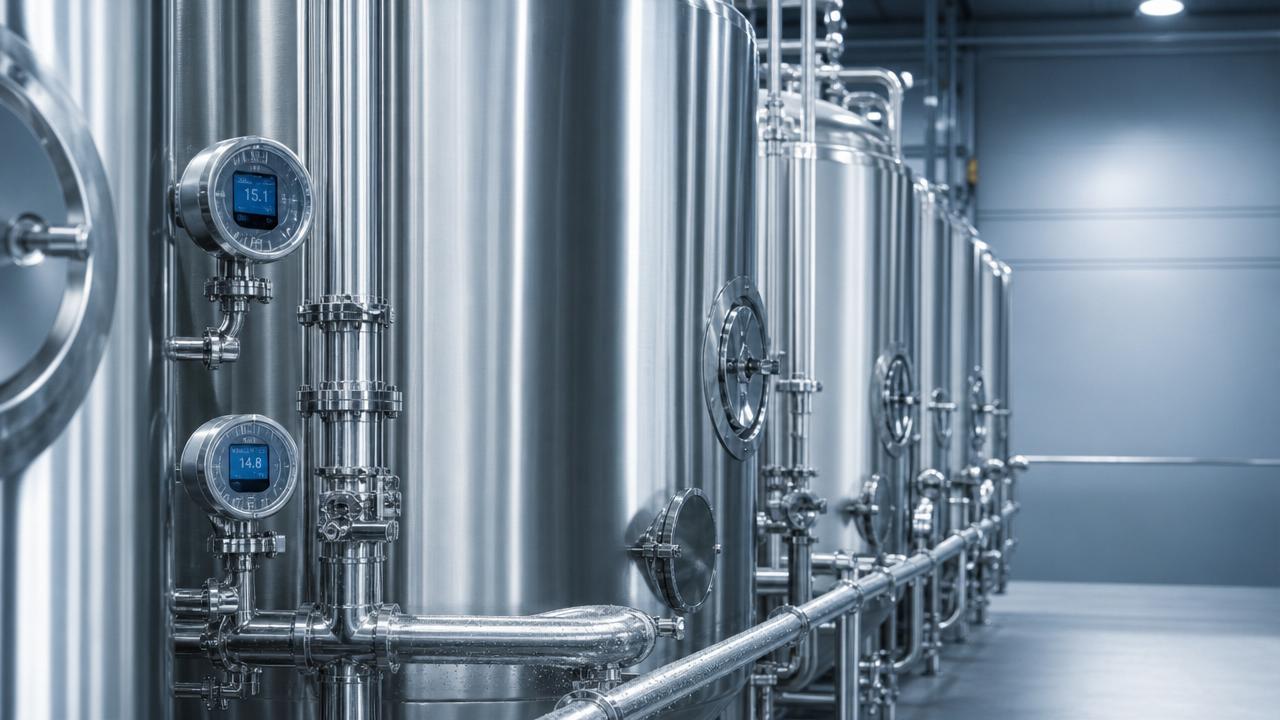
As global demand for premium craft beer surges, China beer factory audits are rapidly evolving—moving far beyond basic GMP compliance and traceability. Today’s inspections focus on advanced food safety culture, real-time process analytics, allergen control in multi-recipe facilities, and sustainability metrics like water reuse and carbon footprint tracking. For quality assurance and food safety professionals overseeing production or supplier vetting, understanding these emerging audit priorities is critical—not just for certification, but for building resilient, future-ready supply chains. Jinpai Beer, a certified craft beer manufacturer serving international partners, integrates these standards across its OEM/ODM and wholesale operations.
Why Audit Priorities Diverge Across Real-World Scenarios
Audit expectations for a China beer factory are no longer one-size-fits-all. They shift decisively based on operational context—not regulatory baseline. A distributor validating a new supplier for supermarket shelf placement faces different risks than a bar group auditing a co-packer for limited-edition fruit-flavored beer batches. Likewise, an importer sourcing sugar-free low-calorie beer for health-conscious EU markets prioritizes microbiological stability and sweetener validation over a domestic wholesaler scaling classic lager volume. Recognizing *which scenario applies* determines where to allocate audit resources, which clauses to stress-test, and whether a facility’s documented system aligns with your actual usage risk profile.
Four Key Scenarios—and What Each Demands from a China Beer Factory
Below are the most frequent operational contexts driving today’s audit rigor—and the non-negotiable focus areas within each:
Scenario 1: Global Distributor Sourcing for Multi-Channel Retail (Supermarkets, E-commerce, Convenience)
Here, consistency, shelf-life predictability, and label compliance dominate. Auditors probe batch-to-batch sensory variance, accelerated aging protocols, and allergen cross-contact controls—especially critical when a single China beer factory produces both German wheat (containing wheat protein) and gluten-free fruit-flavored variants on shared lines. Traceability must extend to raw material lot codes *and* packaging component batches (e.g., crown cap suppliers), not just finished goods.
Scenario 2: Restaurant or Bar Group Contract Brewing (OEM/ODM)
This scenario hinges on recipe fidelity and rapid iteration capability. Audits emphasize lab validation of functional ingredients (e.g., added B vitamins in specialty beers), yeast strain verification logs, and sanitation validation for small-batch fermenters. Real-time dissolved oxygen (DO) monitoring during transfer and packaging is scrutinized—because even 20 ppb deviation impacts flavor stability in unfiltered craft styles.
Scenario 3: Health-Focused Brand Launching Sugar-Free or Low-Calorie Lines
Regulatory scrutiny intensifies here. Auditors verify analytical method validation for residual sugars (HPLC-RI), confirm non-GMO status of enzyme suppliers, and assess cleaning validation for sweetener residue removal—since carryover can trigger off-flavors or label non-compliance. Water reuse metrics matter: if reclaimed water is used for non-product contact surfaces, auditors require microbial testing logs and filtration maintenance records.
Scenario 4: Sustainability-Driven Importer Requiring Carbon-Neutral Claims
Beyond food safety, this scenario demands verifiable environmental data integration. Auditors examine energy meter calibration logs, biogas capture rates from spent grain digesters, and third-party verified Scope 1 & 2 emission reports. Crucially, they cross-check brewery-reported water reuse ratios against flow meter calibration certificates—not just internal summaries.
How Audit Focus Shifts by Facility Scale & Product Mix
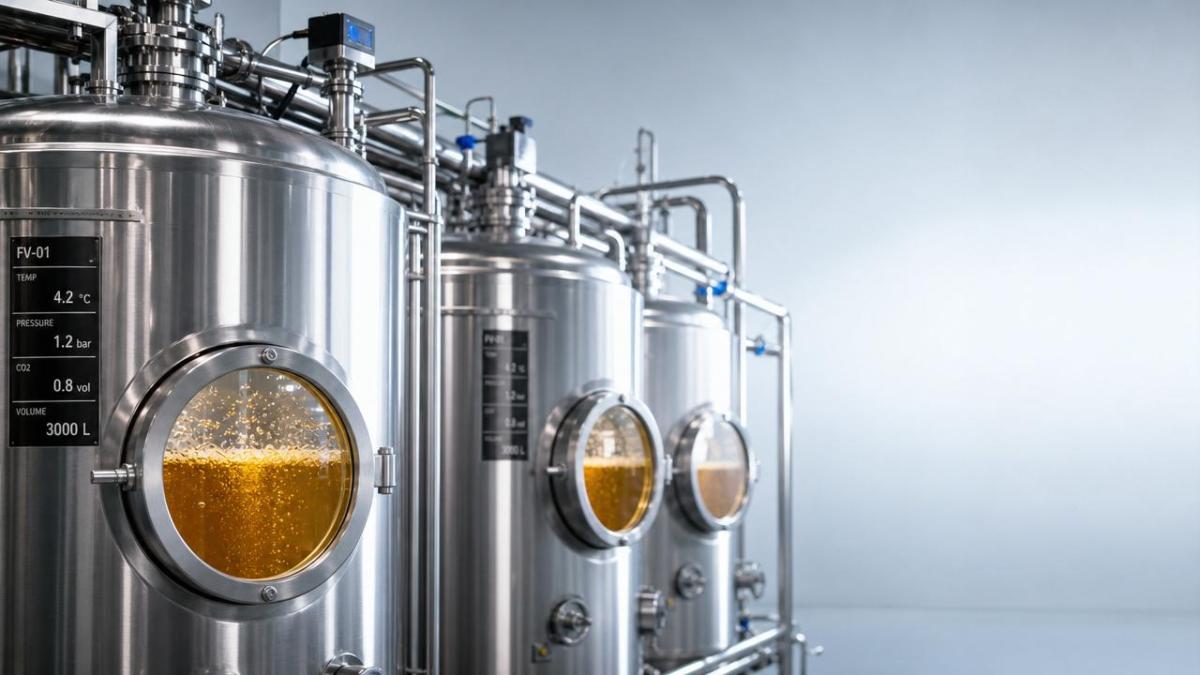
A large-scale China beer factory producing only classic lager may excel at GMP and bulk traceability—but lack granular allergen mapping for complex recipe portfolios. Conversely, a smaller craft-focused facility may have exceptional sensory panel protocols yet under-invest in digital water footprint dashboards. The table below clarifies alignment priorities:
Three Common Scenario Misjudgments to Avoid
Misalignment starts early. Watch for these recurring blind spots:
- Assuming “certified” equals “fit-for-purpose”: A China beer factory holding ISO 22000 doesn’t automatically meet the allergen segregation rigor needed for a fruit-beer + wheat-beer co-production model.
- Overlooking channel-specific labeling risks: Export to Canada requires bilingual allergen statements on every can—a requirement easily missed if audit scope focuses solely on Chinese domestic labeling rules.
- Treating water reuse as “greenwashing” rather than a control point: If reclaimed water contacts bottle rinsing systems, auditors now demand biofilm monitoring logs—not just chlorine residual checks.
Actionable Next Steps for Quality & Safety Professionals
Before initiating an audit—or evaluating an existing China beer factory partnership—ask these three questions:
- What is the *primary distribution channel* for this product? (e.g., temperature-controlled e-commerce vs. ambient retail)
- Which *ingredient or process complexity* introduces the highest risk? (e.g., functional additives, multi-grain mashes, post-fermentation fruit purees)
- What *external verification* will your end-market regulator or retailer require? (e.g., SQF Level 3, BRCGS Packaging, PAS 2060 carbon validation)
Jinpai Beer proactively structures its OEM/ODM engagements around these scenario-driven requirements—maintaining separate fermentation suites for gluten-containing and gluten-free lines, publishing quarterly water reuse metrics verified by third-party labs, and offering full analytical method transfer documentation for custom recipes. We invite quality and safety leaders to schedule a targeted audit walkthrough aligned precisely with your operational scenario—not a generic checklist.
Thank you very much for writing to us. Please leave your message and contact information, we will reply to you within 24 hours.