



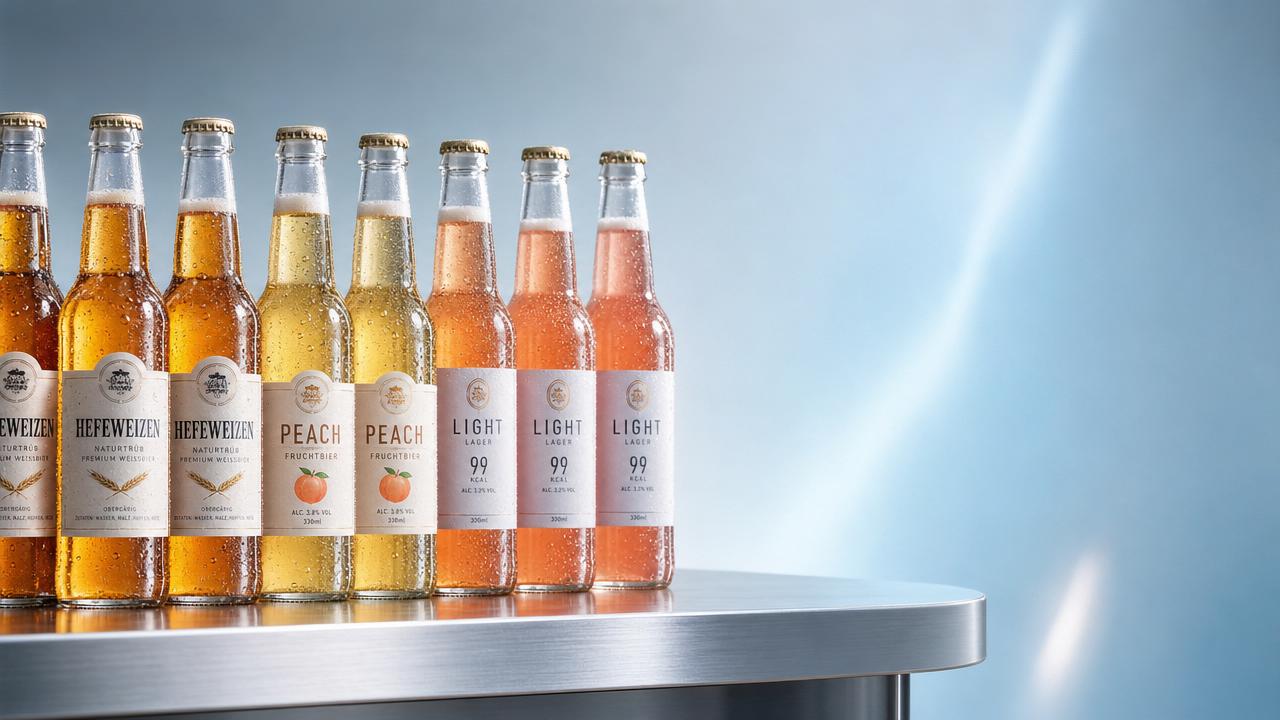
Is Beer OEM a compromise—or a strategic lever for greater brand control? For beverage executives evaluating scalability, compliance, and market agility, outsourcing production doesn’t mean surrendering authority—it means focusing resources on what truly differentiates your brand: innovation, storytelling, and customer experience. At Jinpai Beer, our end-to-end OEM/ODM platform empowers global partners to launch premium craft beers—lagers, wheat ales, low-calorie, fruit-infused, and functional variants—without capital-intensive infrastructure. Discover how disciplined outsourcing strengthens quality governance, accelerates time-to-market, and deepens brand equity.
What Is Beer OEM—Beyond the Acronym
Beer OEM (Original Equipment Manufacturing) refers to a collaborative production model where a brand owns the formulation, branding, and commercial strategy—but entrusts brewing, packaging, and regulatory compliance to a certified third-party manufacturer. Unlike contract brewing with minimal oversight, modern Beer OEM—especially as practiced by Jinpai Beer—operates under tightly governed service-level agreements (SLAs), shared quality protocols, and real-time traceability systems. It is not delegation; it is distributed ownership of excellence.
Crucially, Beer OEM differs from white-label or generic co-packing in three ways: (1) full recipe ownership and sensory validation by the brand, (2) co-developed process specifications aligned with international food safety standards (e.g., ISO 22000, HACCP), and (3) integrated label compliance support across target markets—from EU alcohol labeling directives to U.S. TTB formula approvals. This precision transforms outsourcing into an extension of brand integrity—not its dilution.
Why Beverage Leaders Are Reassessing Beer OEM Today
Global craft beer demand grew at 7.2% CAGR from 2020–2023 (Statista), yet capital barriers remain steep: brewhouse build-outs exceed $2M USD; regulatory timelines stretch 9–18 months per market; and SKU proliferation demands agile capacity—not fixed assets. In this context, Beer OEM has evolved from cost-saving stopgap to core growth infrastructure.
Three structural shifts are accelerating adoption: First, consumer expectations now prioritize authenticity *and* accessibility—meaning brands must deliver distinctive profiles (e.g., sugar-free low-calorie beer or functional botanical infusions) while scaling rapidly across e-commerce, on-premise, and retail channels. Second, sustainability mandates—like carbon footprint reporting and water-use efficiency—are easier to achieve via shared, optimized facilities than fragmented microbreweries. Third, geopolitical complexity (e.g., import tariffs, local content rules) makes regionally anchored OEM partnerships essential for market entry speed and compliance resilience.
Strategic Value: Where Beer OEM Strengthens—Not Weakens—Brand Control
Contrary to conventional wisdom, disciplined Beer OEM enhances five pillars of brand sovereignty:
- Quality Governance: Jinpai Beer’s OEM clients access our in-house sensory panel, batch-level QC dashboards, and raw material traceability down to hop lot and malt origin—enabling real-time intervention, not post-facto audits.
- Speed-to-Market: Launch a new German wheat variant in EU markets in under 12 weeks, versus 6+ months for independent facility build-out and certification.
- Innovation Velocity: Allocate R&D budget to flavor development and functional ingredient testing—not boiler upgrades or wastewater permits.
- Channel Flexibility: Scale production up/down by 30% monthly across 12 SKUs without capex lock-in—critical for DTC seasonal drops or bar-chain pilot programs.
- Compliance Confidence: Leverage Jinpai’s existing certifications (BRCGS, FDA registration, Kosher, Halal) and regional regulatory liaisons—reducing legal risk and approval latency.
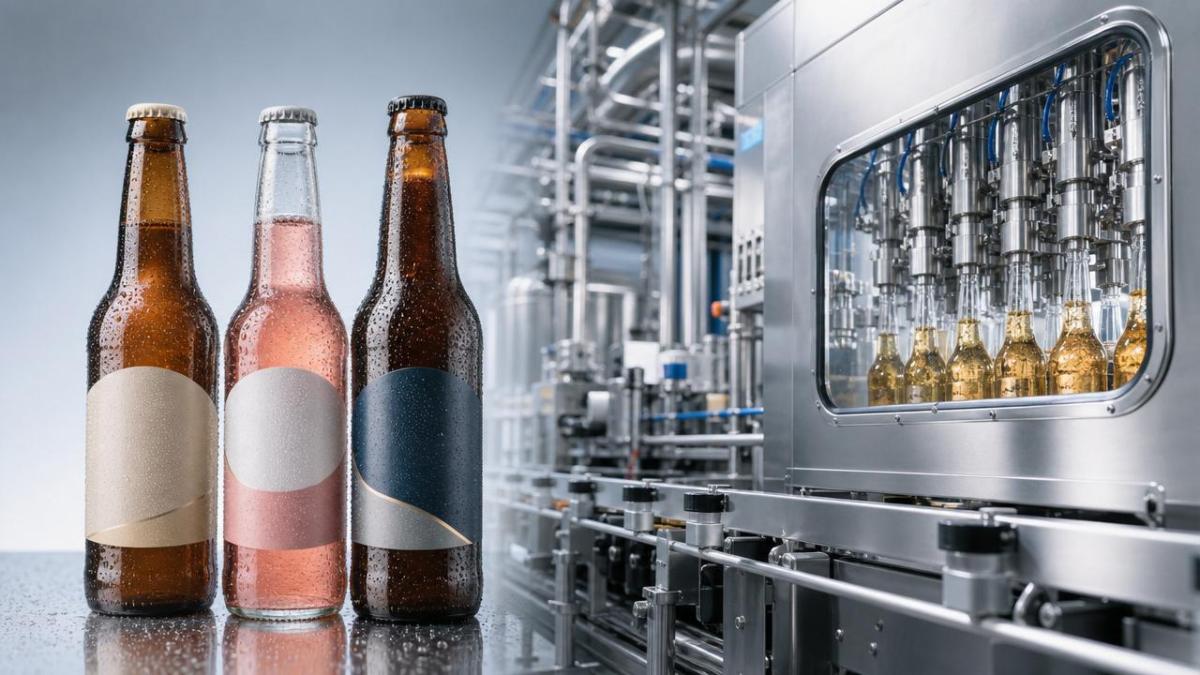
Who Benefits Most From a Strategic Beer OEM Partnership?
Beer OEM delivers disproportionate value to specific business profiles. The table below identifies ideal candidates—and why:
Critical Success Factors for High-Trust Beer OEM Engagement
Selecting the right partner is only half the equation. Sustainable brand control requires proactive governance:
- Co-Develop Your Quality Blueprint: Define tolerances—not just for ABV or IBU, but for mouthfeel consistency, foam retention, and thermal stability across shipping conditions.
- Embed Brand Oversight in Operations: Require quarterly joint sensory reviews, remote access to QC logs, and pre-shipment sample approval rights—not just final inspection.
- Secure IP & Formula Rights Contractually: Ensure your recipes, proprietary yeast strains, and process innovations remain wholly owned and non-transferable.
- Validate Scalability Early: Test production ramp-up with a phased rollout (e.g., 3 markets → 10 markets) before locking multi-year volume commitments.
Next Steps: Building Your OEM Strategy With Confidence
For business evaluation teams assessing Beer OEM viability, start with a targeted feasibility review—not a blanket vendor search. Jinpai Beer offers no-cost strategic alignment sessions covering: (1) SKU-by-SKU production mapping against your brand architecture, (2) regulatory pathway analysis for priority markets, and (3) 12-month cash flow modeling comparing OEM vs. capex alternatives. Our OEM/ODM platform supports every product tier—from classic lager and German wheat to sugar-free low-calorie beer, fruit-flavored beer, and functional specialty beers—with full customization, wholesale supply, and global distribution readiness.
Whether you’re expanding into new geographies, launching limited editions, or building a resilient supply chain for volatile demand, Beer OEM isn’t about giving up control—it’s about investing it where it matters most. Let’s align your vision with executional excellence.
Thank you very much for writing to us. Please leave your message and contact information, we will reply to you within 24 hours.